Ordering custom ambulances requires careful planning, coordination, and understanding of both medical and operational requirements. Hospitals, clinics, and government agencies must ensure that every ambulance in their fleet meets patient care standards, local regulations, and environmental conditions. This step-by-step guide provides a structured approach to help healthcare organizations successfully order custom ambulances tailored to their region.
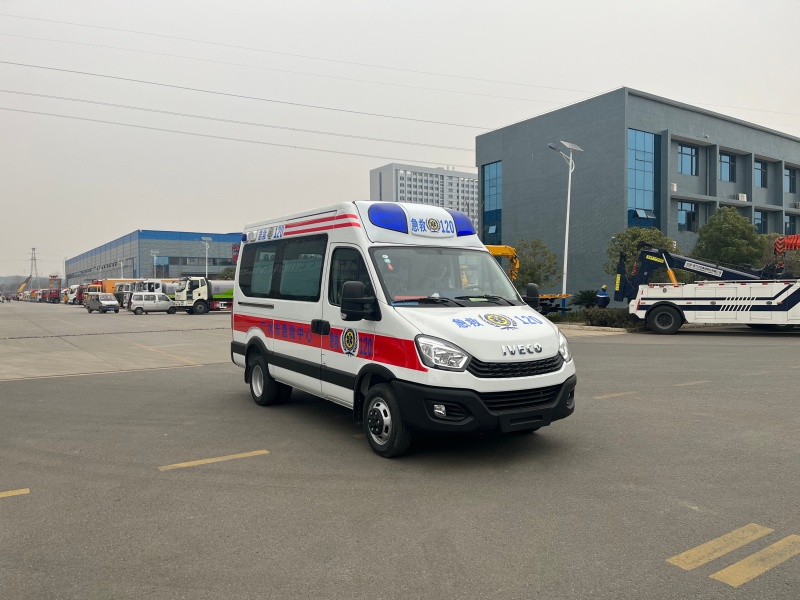
Before contacting any supplier, clearly define the purpose of your ambulance fleet:
Patient Type: Critical care (ICU), routine transfers, or monitoring.
Terrain: Urban streets, rural roads, mountainous regions, or mixed environments.
Service Scope: Emergency response, inter-facility transport, disaster relief, or community outreach.
Understanding your operational requirements ensures that the right ambulance types and configurations are selected.
Based on operational needs, choose the ambulance category that aligns with your objectives:
ICU Ambulances: Advanced life support for critical patients.
Transfer Ambulances: Efficient, safe relocation of stable patients.
Monitoring Ambulances: Equipped for urban emergencies with essential medical systems.
Off-Road Ambulances: Built for rural or challenging terrain, often with 4x4 drivetrains.
Selecting the right type avoids underpowered fleets or unnecessary overspending.
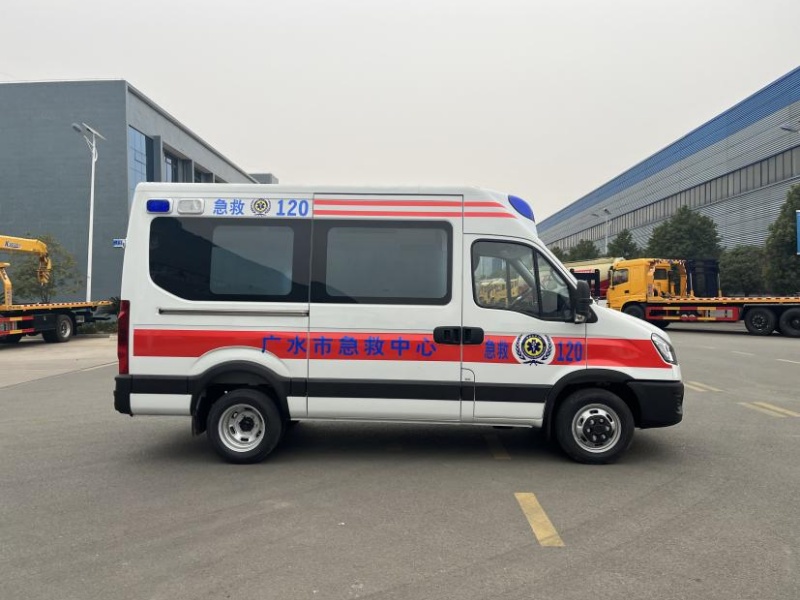
The choice of chassis and drivetrain affects performance and durability:
Chassis Brands: Mercedes-Benz, Toyota Hiace, Iveco, or similar trusted platforms.
Drive Options: 4x2 for city use; 4x4 for off-road or rugged terrain.
Fuel Types: Diesel, gasoline, or electric depending on infrastructure and sustainability goals.
These decisions influence long-term operating costs and reliability.
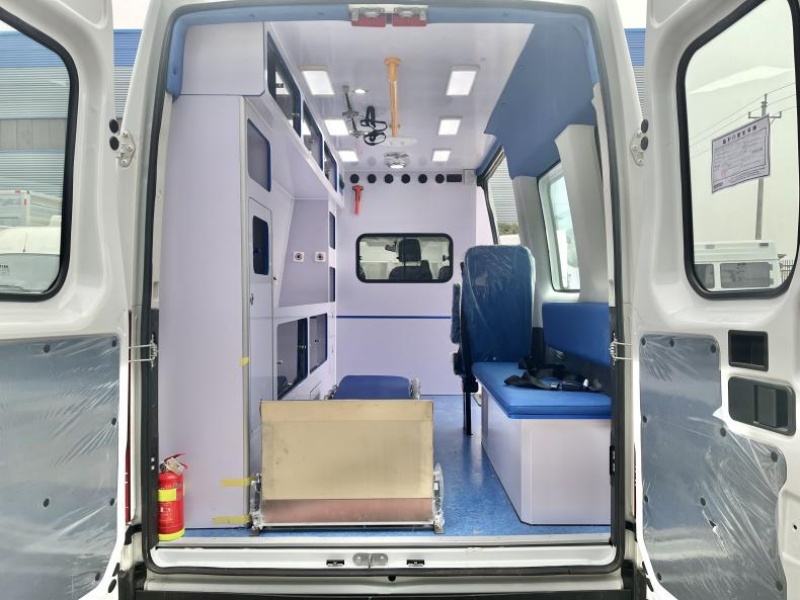
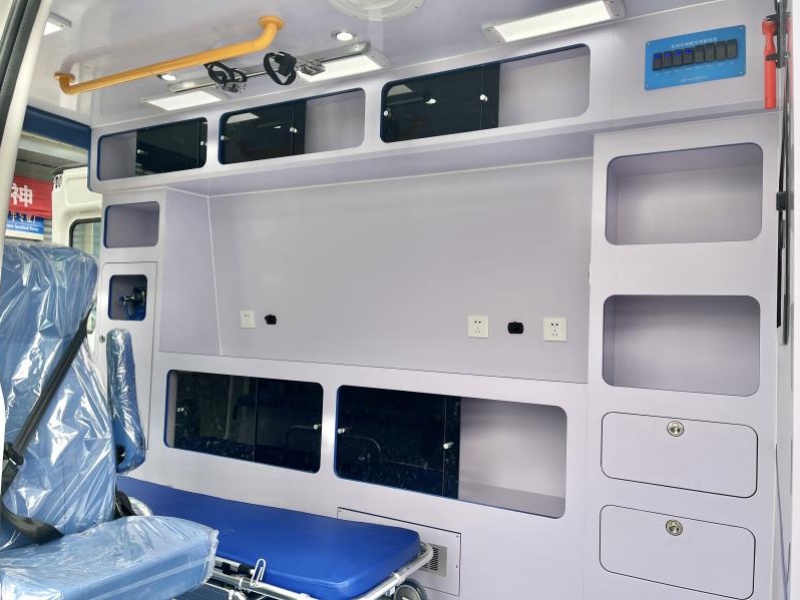
Customization ensures that the ambulance supports specific medical workflows:
Layout of stretchers and seating for staff.
Installation of oxygen supply, defibrillators, and ventilators.
Storage for medications and emergency equipment.
Climate control and ergonomic design for patient comfort.
A well-planned interior maximizes efficiency and patient safety.
Imported ambulances must meet international and local standards:
ISO, CE, or regional medical vehicle certifications.
Road safety and emission compliance.
Approval for installing medical equipment.
Working with a certified exporter ensures a smooth import process and legal compliance.
A dependable ambulance supplier provides:
Full customization and quality assurance.
Spare parts availability and maintenance support.
Training for drivers and medical staff.
Warranty coverage and long-term service agreements.
Supplier credibility is crucial to avoid delays, operational issues, or hidden costs.
Coordinate shipping, customs, and delivery timelines:
Consider total landed cost including shipping, duties, and taxes.
Plan fleet deployment according to hospital or regional schedules.
Ensure insurance coverage during transport.
Proper planning prevents delays and ensures ambulances arrive ready for service.
Ordering custom ambulances is a complex but manageable process when approached systematically. By assessing needs, selecting the right type and brand, customizing interiors, ensuring compliance, and partnering with a reliable exporter, hospitals and government agencies can build fleets that are safe, efficient, and tailored to their regional requirements.
A well-planned ambulance procurement strategy not only optimizes patient care but also enhances long-term operational efficiency, making every investment count.



 Ambulance


