Airports are high-traffic hubs where quick and efficient emergency medical response is essential. From medical emergencies on the runway to incidents in terminals, having the right airport ambulance ensures that patients receive timely care while maintaining operational safety. Selecting the right ambulance for airport emergency medical services (AEMS) involves careful consideration of speed, equipment, and operational environment.

Airports face unique challenges, including:
High volumes of travelers and staff.
Limited access to remote runway areas.
Requirement for rapid response during medical incidents or accidents.
Choosing an ambulance suited for these conditions ensures both efficiency and patient safety.
Depending on airport size and traffic, several ambulance types are commonly used:
ICU Ambulances: Equipped for critical emergencies requiring advanced life support.
Monitoring Ambulances: Ideal for rapid response in terminal areas or short-distance transfers.
Transfer Ambulances: For patient relocation between airport medical facilities and nearby hospitals.
Off-Road 4x4 Ambulances: For large airports with uneven or restricted-access areas near runways.
Matching ambulance type to operational requirements guarantees faster response times.
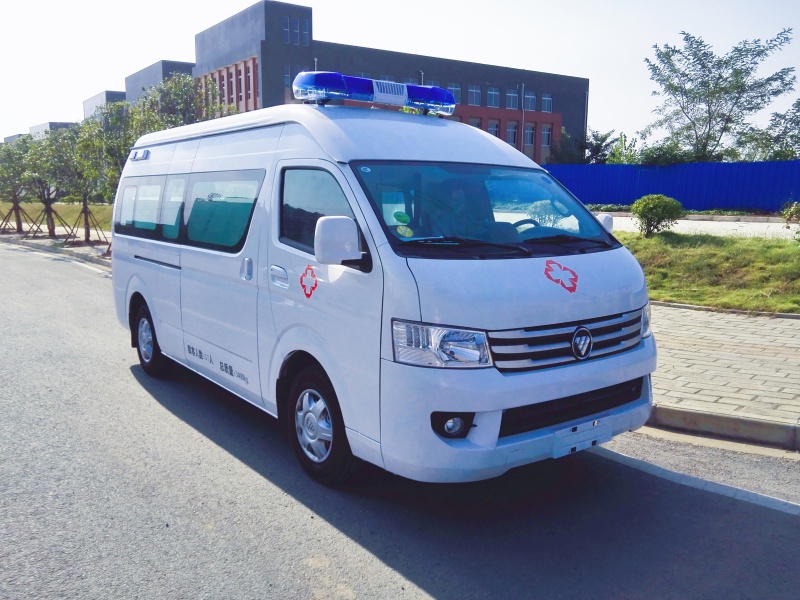
Airport ambulances must combine speed, maneuverability, and specialized equipment:
Compact yet powerful chassis for navigating airport roads and tight spaces.
Advanced life support equipment including ventilators, defibrillators, and oxygen systems.
Communication systems to coordinate with airport operations and medical teams.
High visibility lighting and sirens for rapid clearance through airport traffic.
These features ensure patient care is not compromised, even in high-pressure scenarios.
Export ambulance suppliers provide tailored solutions for AEMS, including:
Interior layouts optimized for rapid medical intervention.
Fuel and drivetrain options for efficiency and reliability.
Telemedicine and monitoring integration for real-time patient tracking.
Customization ensures that the ambulance fleet aligns with airport regulations, space constraints, and operational demands.
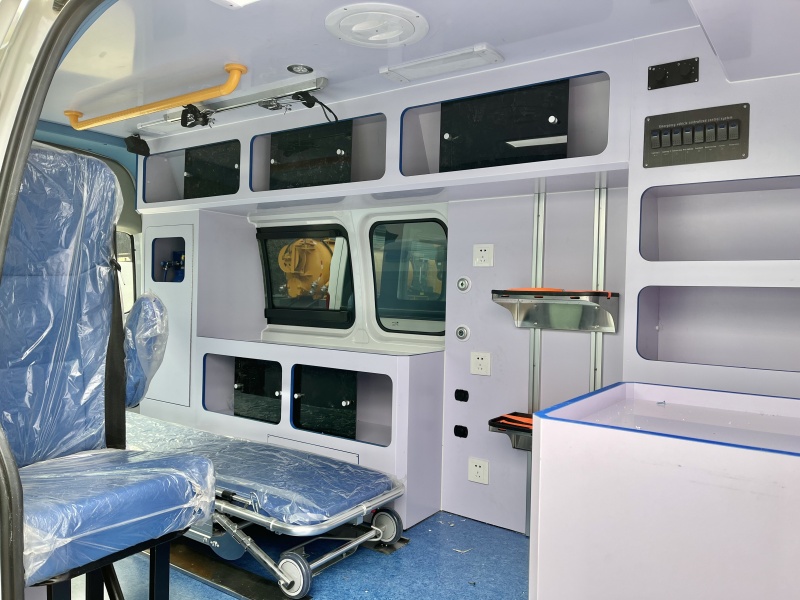
Airport ambulances must meet international safety and medical standards, including:
ISO and CE certifications for medical vehicles.
Compliance with aviation authority guidelines and local road safety standards.
Installation approval for advanced medical devices.
Partnering with certified OEM exporters ensures compliance and smooth procurement processes.
Trusted ambulance brands such as Mercedes-Benz, Toyota Hiace, and Iveco offer proven reliability and durability. Exporters provide full support including:
Maintenance and spare parts availability.
Staff training for emergency operations.
Warranty and technical assistance for long-term fleet management.
Reliable brands reduce downtime and ensure uninterrupted emergency services.
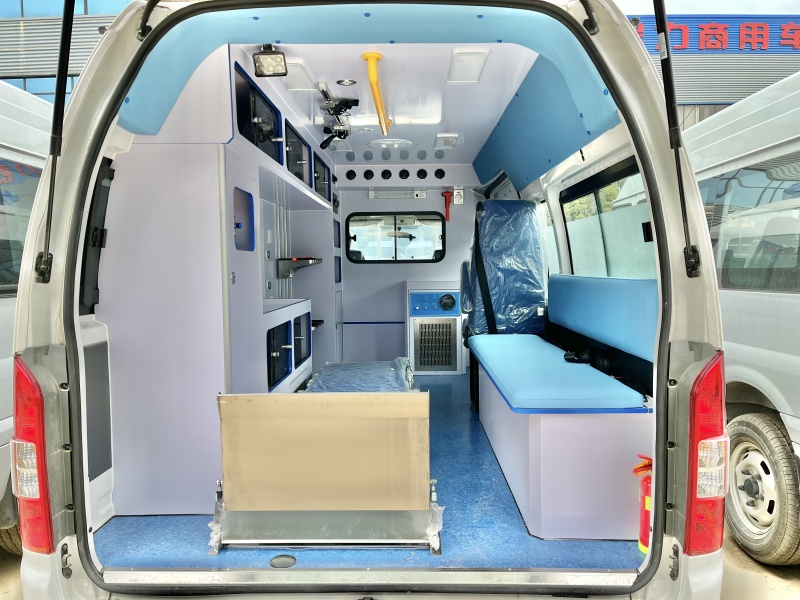
Selecting the right ambulance for airport emergency medical services is critical to safeguarding travelers and staff. By choosing vehicles equipped for rapid response, advanced life support, and operational efficiency, airports can maintain high standards of patient care.
Investing in customized, certified, and reliable airport ambulances ensures that medical teams are fully prepared to respond to emergencies swiftly, safely, and effectively.



 Ambulance


