Introduction to the Case
In a recent project, our company successfully exported a fleet of ambulances to support a government health program in a developing country. The initiative aimed at enhancing the local emergency response capabilities and improving access to critical care services for remote communities. This case study delves into the challenges faced during the process, solutions implemented, and the positive impact on the healthcare system.
Challenges and Solutions
The primary challenge was meeting the stringent requirements set by the government, including advanced medical equipment, robust design, and reliable performance under diverse conditions. Our team worked closely with local authorities to understand their specific needs and tailored our ambulances accordingly. We incorporated state-of-the-art medical technologies, such as life-support systems and onboard diagnostics, ensuring that each vehicle could serve as a mobile ICU. Additionally, we provided comprehensive training for the medical staff, enabling them to maximize the use of these resources effectively.
Impact and Benefits
Since the deployment of our ambulances, there has been a significant improvement in the response time to emergencies, reducing the mortality rate associated with delayed treatment. The enhanced medical facilities have also contributed to better patient outcomes, particularly in underserved areas. Furthermore, this collaboration has strengthened the relationship between our organization and the government, opening up new opportunities for future projects. As a result, not only did we meet but exceeded the expectations, setting a benchmark for similar initiatives worldwide.
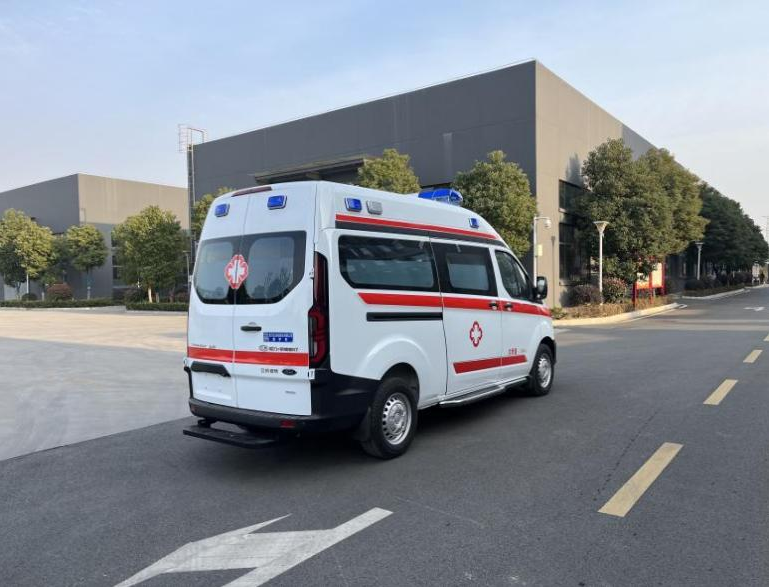



 Ambulance


