When it comes to procuring RituMax ambulances, one critical decision involves choosing the appropriate drive train. The right choice can significantly impact vehicle performance, safety, and reliability, which are paramount in emergency situations. There are three primary types of drive trains: all-wheel drive (AWD), rear-wheel drive (RWD), and front-wheel drive (FWD). Each has its own set of advantages and is suited to different operational environments.
All-wheel drive (AWD) systems provide superior traction and handling, making them ideal for challenging terrains or adverse weather conditions. This makes AWD a preferred option for RituMax ambulances that operate in rural or mountainous areas. On the other hand, rear-wheel drive (RWD) offers better weight distribution and stability, particularly when the ambulance is fully loaded. Front-wheel drive (FWD) is generally more fuel-efficient and easier to maintain, making it a cost-effective choice for urban settings where terrain is less demanding.
In selecting the right drive train for your RituMax ambulances, consider the specific needs of your operations. For instance, if you frequently encounter slippery or uneven surfaces, AWD would be the best choice. If your fleet primarily operates in urban areas with well-maintained roads, FWD could be more practical. Additionally, budget constraints, maintenance requirements, and the availability of spare parts should also influence your decision. By carefully evaluating these factors, you can ensure that your RituMax ambulances are equipped with the most suitable drive train, enhancing their overall performance and reliability.
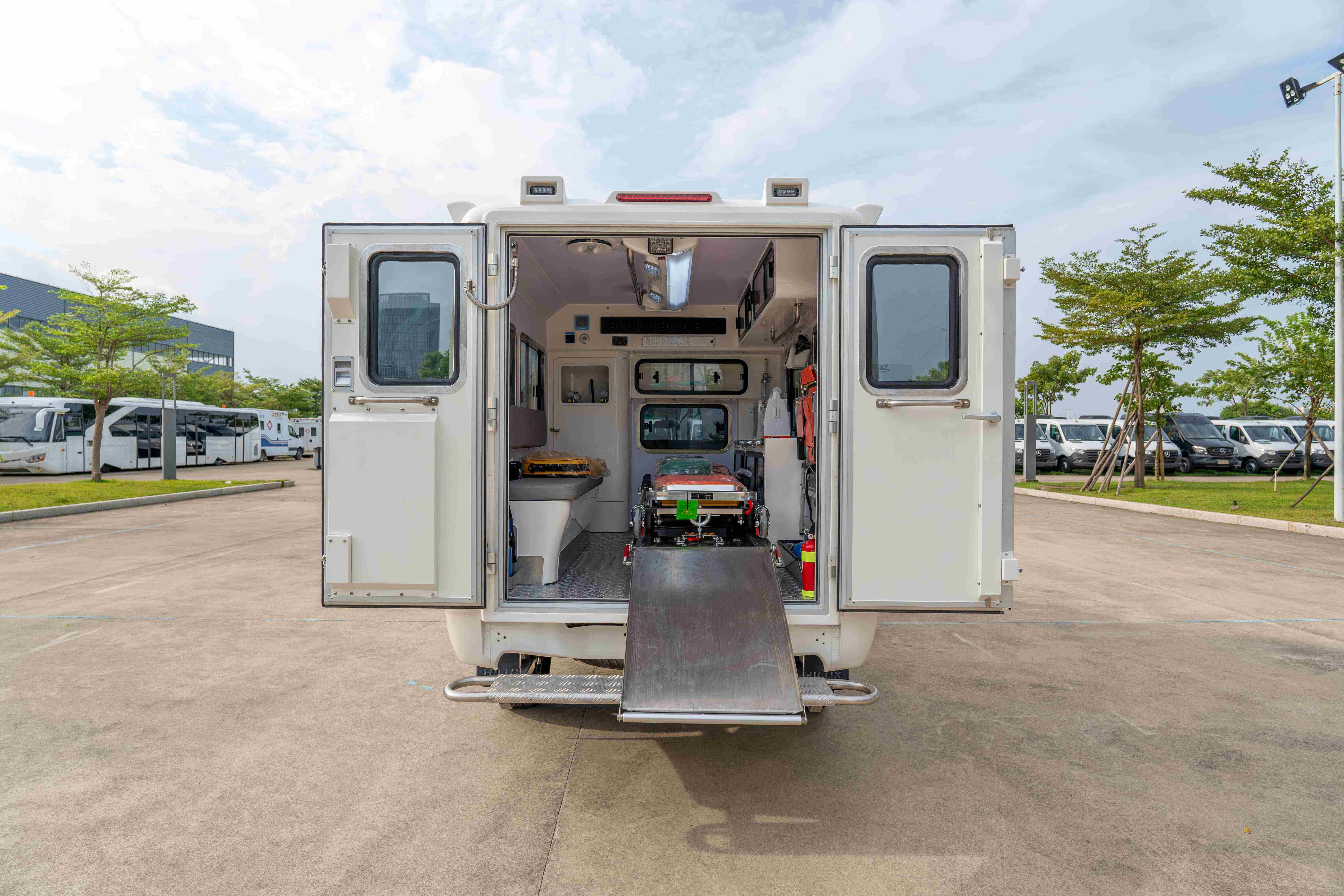



 Ambulance


