As healthcare systems worldwide focus on sustainability, electric ambulances are emerging as a transformative solution. These vehicles integrate eco-friendly technology with advanced emergency medical capabilities, allowing hospitals, clinics, and government agencies to reduce carbon emissions while maintaining high standards of patient care. Electric ambulances are increasingly recognized as a strategic investment in both environmental responsibility and public health infrastructure.
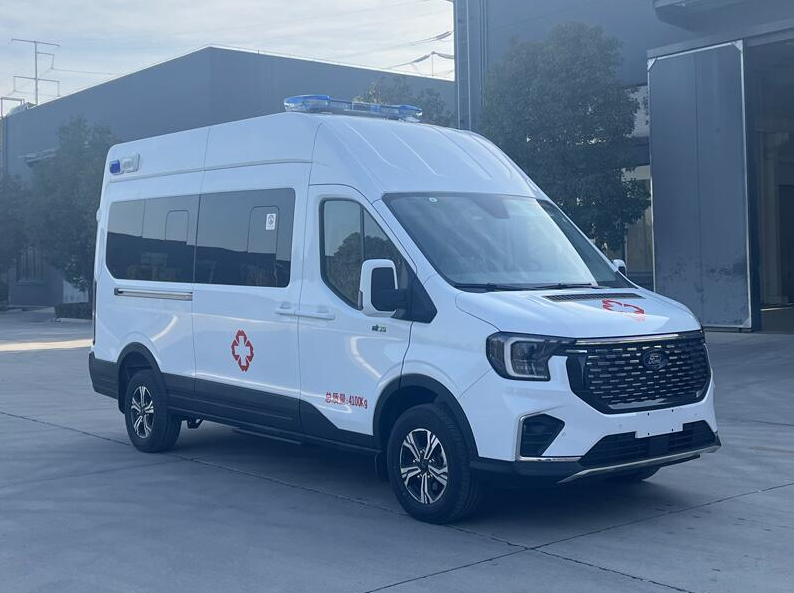
Electric ambulances produce zero tailpipe emissions, helping healthcare providers:
Reduce carbon footprint in urban and rural operations.
Comply with government sustainability regulations and environmental targets.
Contribute to cleaner air in densely populated areas, benefiting patients and staff.
This aligns emergency medical services with broader green initiatives and sustainable healthcare practices.
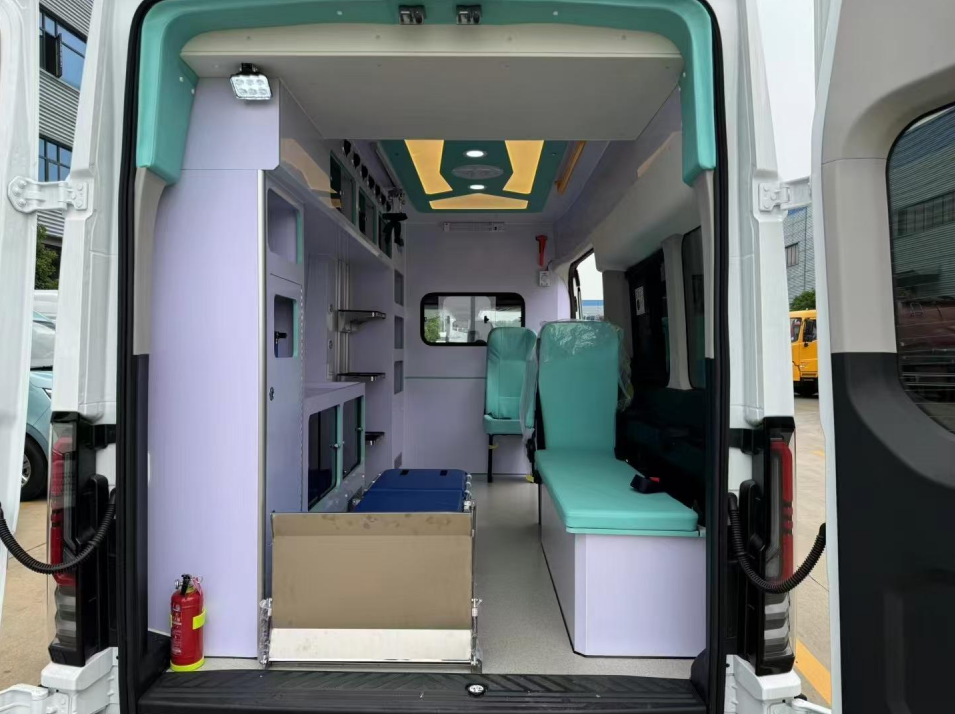
Electric ambulances are fully equipped to provide critical care, including:
ICU and advanced life support systems for emergencies.
Oxygen supply, ventilators, and patient monitoring equipment.
Secure stretcher mounts and ergonomic layouts for patient safety.
Sustainability does not compromise medical capabilities—these ambulances meet the same rigorous standards as conventional vehicles.
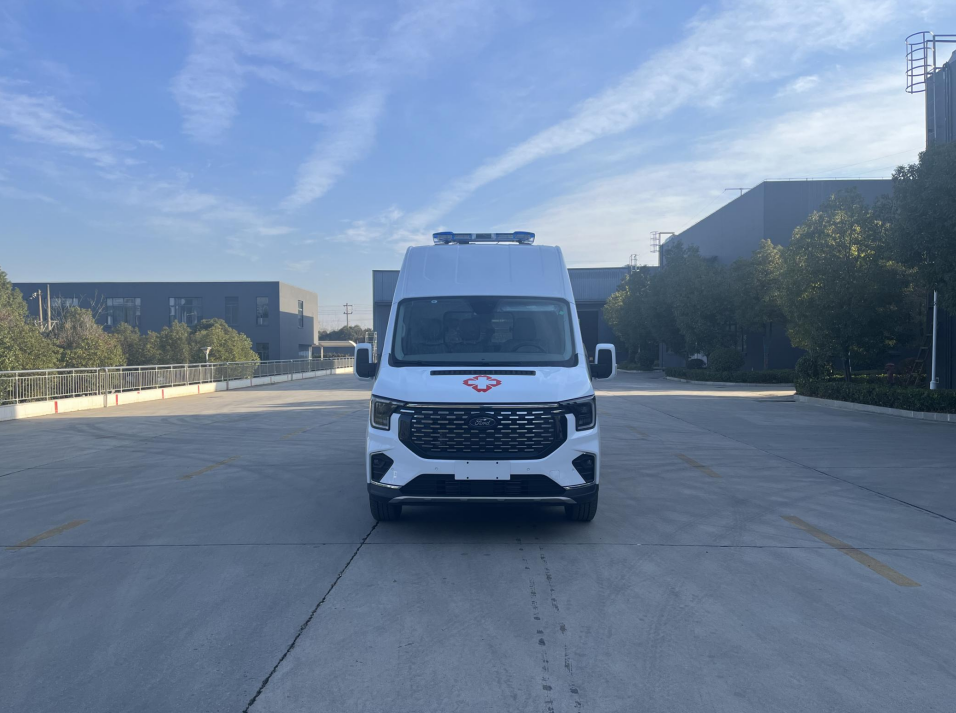
While electric ambulances may have a higher initial cost, they provide long-term savings:
Lower fuel and maintenance costs compared to diesel or gasoline vehicles.
Fewer moving parts reduce mechanical wear and downtime.
Incentives from governments or environmental programs can offset procurement costs.
Hospitals and emergency services benefit from predictable operational expenses and reduced lifecycle costs.
Modern electric ambulances are designed for diverse operational scenarios:
Compact models for urban areas with traffic congestion.
4x4 or hybrid electric options for rural, off-road, or disaster-prone regions.
Flexible interior configurations for ICU, transfer, or monitoring purposes.
This versatility ensures electric ambulances can serve a wide range of patient care needs.
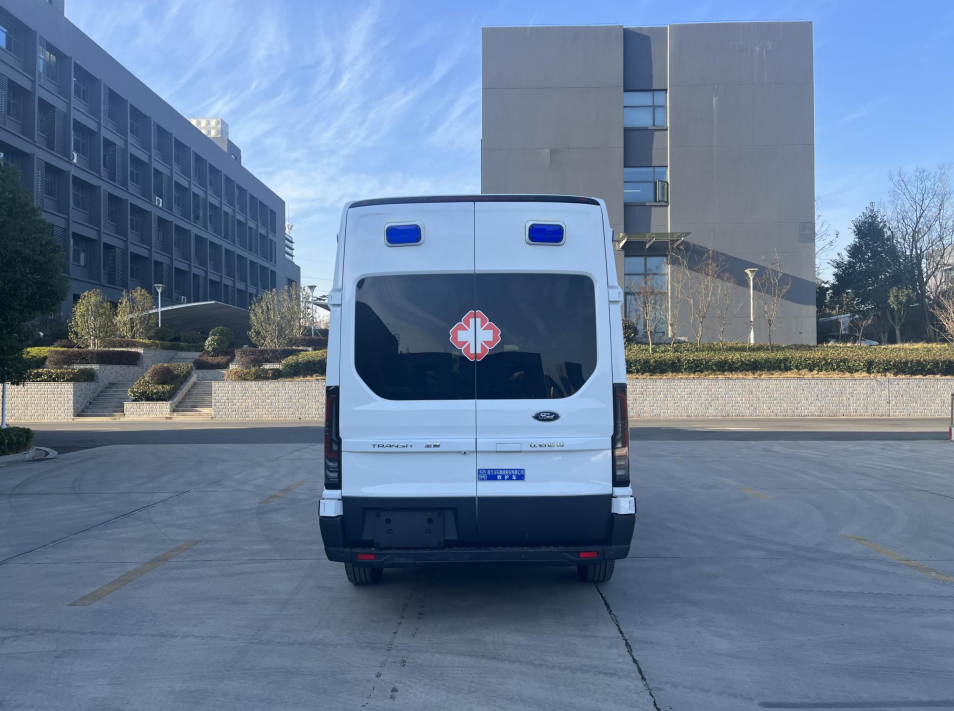
To ensure reliability, procurement officers should work with experienced ambulance exporters:
Brands like Mercedes-Benz, Toyota Hiace, and Iveco offer proven electric or hybrid platforms.
Customization options allow integration of ICU, monitoring, or multi-patient layouts.
After-sales support, training, and spare parts availability guarantee operational readiness.
Trusted OEMs provide the durability and compliance necessary for high-demand emergency medical services.
By adopting electric ambulances, hospitals and government agencies:
Lead by example in environmental stewardship.
Improve community health through reduced air pollution.
Align emergency services with global sustainability initiatives and ESG goals.
This demonstrates a commitment to both life-saving care and environmental responsibility.
Electric ambulances represent the future of emergency medical services, combining sustainability with advanced patient care. By reducing emissions, lowering operating costs, and maintaining high medical standards, they offer a responsible and efficient solution for hospitals, clinics, and government agencies.
Investing in electric ambulances allows healthcare providers to respond to emergencies effectively while contributing to a greener, healthier planet.



 Ambulance


