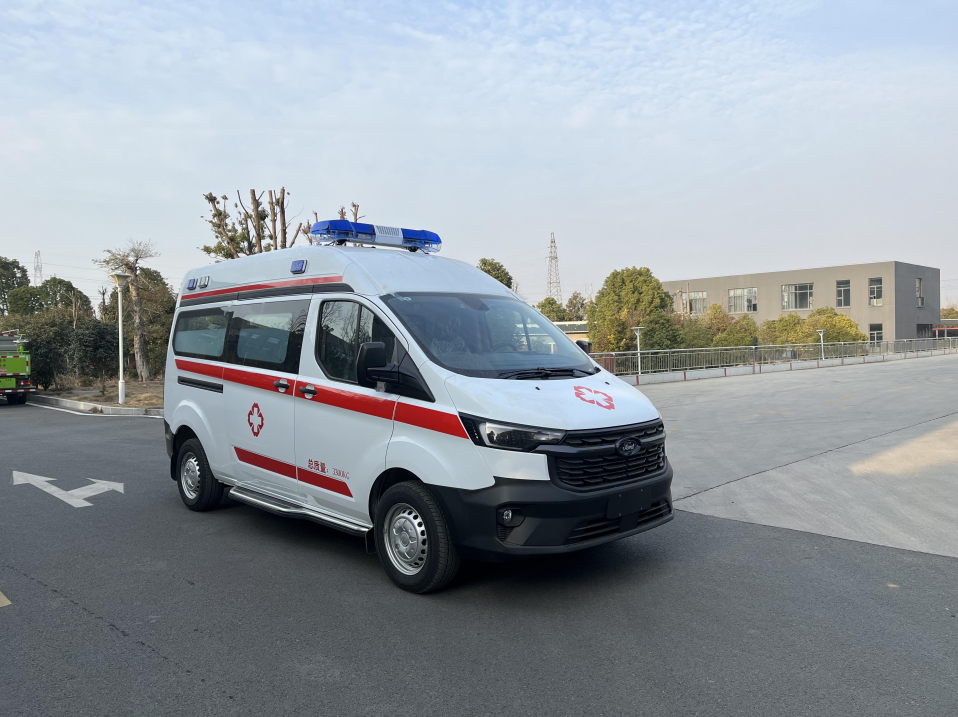
Purchasing an ambulance fleet is a major investment that directly impacts patient outcomes and healthcare efficiency. Whether your organization is a hospital, NGO, or government agency, asking the right questions before procurement helps ensure you choose vehicles that meet both medical and operational demands. Below are the most essential considerations before buying an ambulance fleet.
Not every situation calls for the same ambulance type. ICU ambulances provide advanced life support for critical patients, while monitoring ambulances are designed for urban emergencies. Transfer ambulances are ideal for non-critical relocation, and 4x4 off-road ambulances serve rural or mountainous areas. Evaluating your hospital’s service environment ensures you choose the right mix for your fleet.
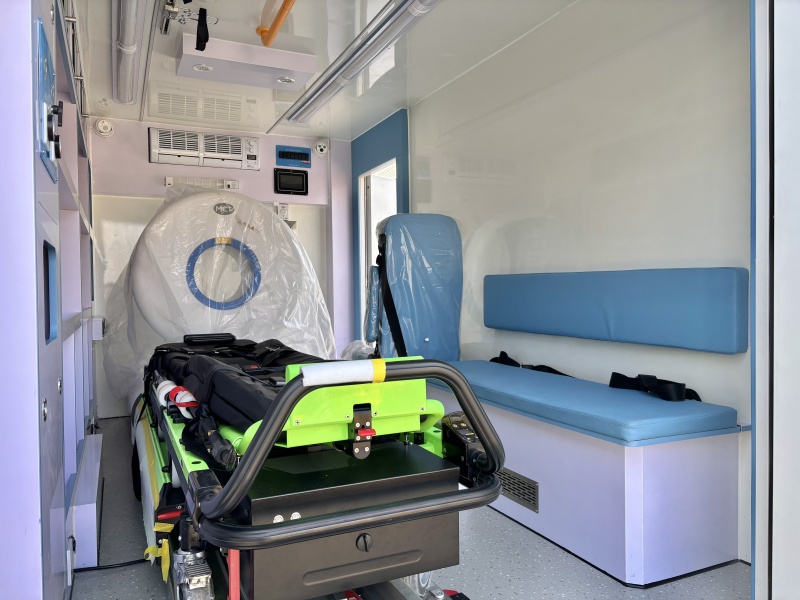
Ambulances are commonly available in 4x2 and 4x4 drives.
4x2: Perfect for cities and smooth roads, offering cost efficiency.
4x4: Essential for rural, mountainous, or disaster-response operations.
Matching the drive configuration to your terrain prevents operational disruptions.
Brands like Mercedes-Benz, Toyota Hiace, and Iveco each offer unique strengths. Mercedes ensures premium performance and reliability, Toyota offers affordability and easy maintenance, while Iveco delivers heavy-duty versatility. Hospitals must balance budget, patient safety, and long-term maintenance support when choosing brands.
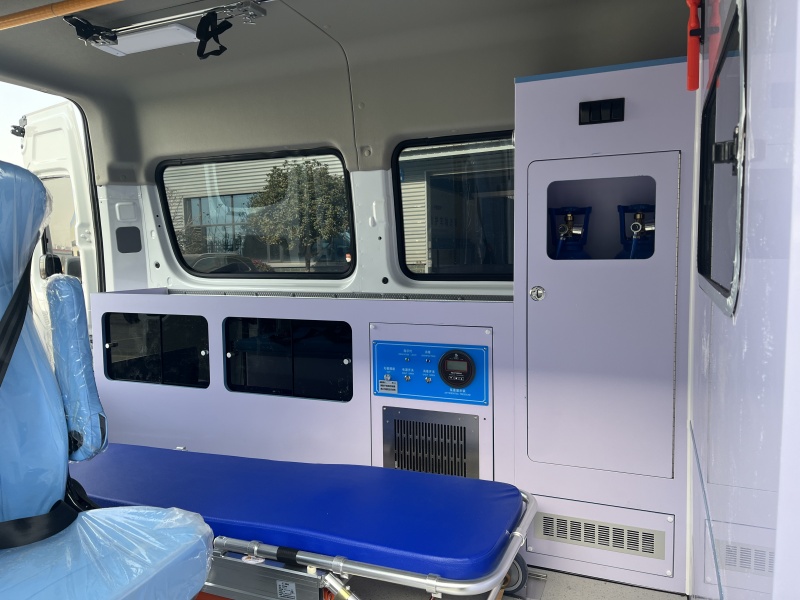
Modern exporters provide full customization to meet hospital needs, including:
Interior layout for stretchers, oxygen supply, and storage.
Choice of fuel type (diesel, gasoline, or electric).
Integration of defibrillators, ventilators, and ICU systems.
Customizing ensures your fleet matches the exact healthcare services you provide.
Ambulances must meet international and local standards. Hospitals should confirm:
ISO and CE certifications.
Compliance with road safety and emission regulations.
Approval for medical equipment installation.
Ensuring compliance avoids costly regulatory delays and protects patient safety.
An ambulance fleet is only effective if properly maintained. Hospitals should ask:
Does the supplier provide training for staff?
Are spare parts easily available in the local market?
Is there warranty and technical support coverage?
Reliable after-sales support extends fleet lifespan and reduces downtime.
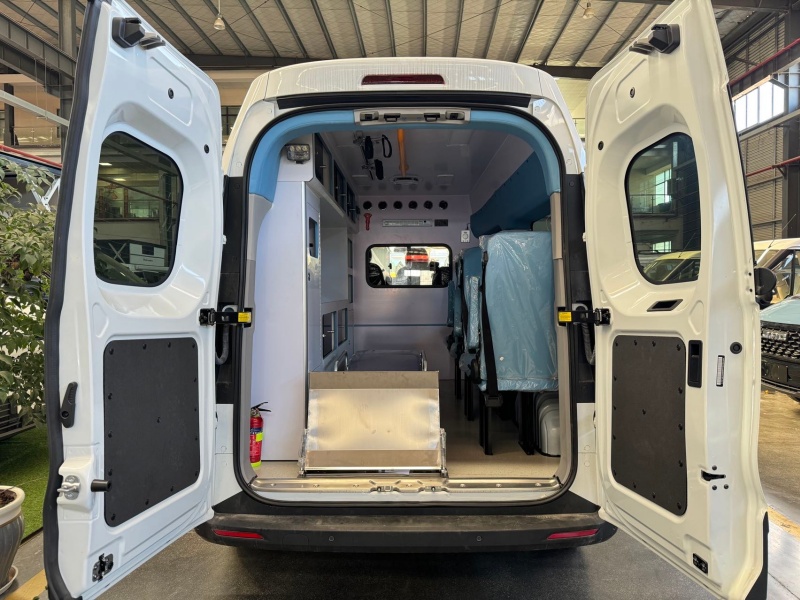
Price alone should not drive the decision. Hospitals must factor in:
Shipping and import duties.
Fuel and maintenance expenses.
Lifecycle value and resale potential.
Understanding total ownership costs ensures a sustainable investment.
Buying an ambulance fleet goes beyond selecting vehicles—it is a strategic healthcare investment. By asking the right questions about type, brand, customization, compliance, support, and costs, hospitals and agencies can secure ambulances that deliver reliability, safety, and value.
Partnering with an experienced ambulance exporter ensures your fleet is built to international standards and customized to your unique needs. With the right planning, your investment will strengthen emergency response and save more lives.



 Ambulance


