When we think of critical ambulance equipment, our minds often go to defibrillators, oxygen tanks, and cardiac monitors. However, one of the most vital—and often overlooked—systems supporting patient outcomes is the ambulance air conditioning system. Far more than a comfort feature, a robust climate control system is a fundamental component of modern medical care on the move, directly impacting patient stability, crew performance, and even the functionality of sensitive equipment.
For EMTs and paramedics, controlling the interior environment is a direct intervention in patient care. Here’s how a high-performance ambulance air conditioning system is essential for patient safety.
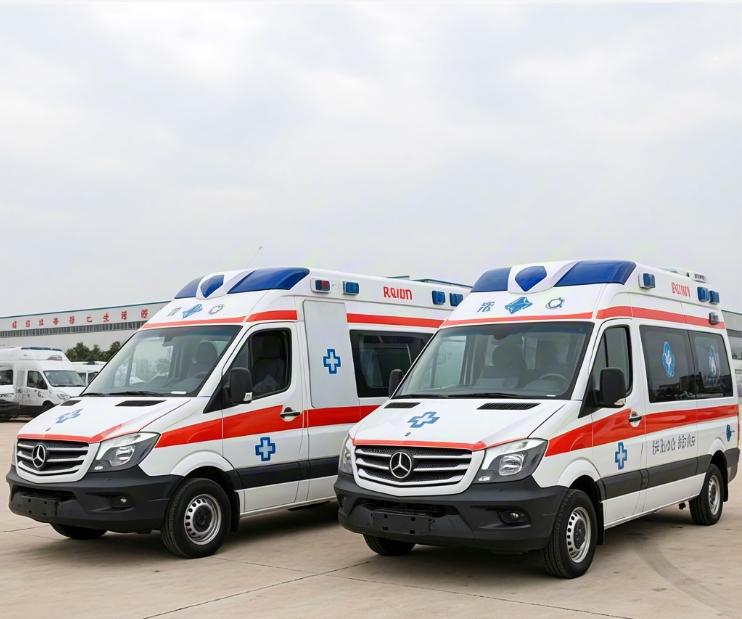
Many emergency patients cannot regulate their own body temperature effectively. A properly functioning AC system is crucial for preventing dangerous conditions:
Febrile Patients: Patients with high fevers from infections like sepsis need active cooling to prevent brain damage and organ failure. A cool cabin environment is a first-line intervention.
Heat Stroke Victims: For patients suffering from heat stroke, rapid cooling is the primary life-saving treatment. The ambulance cabin becomes a critical cooling chamber during transport.
Neonatal and Infant Care: Infants lose body heat rapidly. A warm, stable environment is essential for newborns, especially premature babies being transferred to a NICU. Conversely, they can also overheat quickly, requiring precise temperature control.
Elderly Patients: Older adults are highly susceptible to temperature extremes. A climate-controlled cabin prevents hypothermia or heat stress during transport.
Trauma and Shock Victims: Patients experiencing shock or significant blood loss have impaired circulation and cannot maintain core temperature. Preventing hypothermia is a key goal in trauma care, as cold temperatures can exacerbate bleeding and lead to coagulopathy (a condition where the blood's ability to clot is impaired).
Modern ambulance air conditioning systems do more than just control temperature; they manage the air itself.
Filtration: High-Efficiency Particulate Air (HEPA) filters or advanced multi-layer filters are integrated into many ambulance HVAC systems. These filters trap viruses, bacteria, dust, and allergens, reducing the risk of cross-contamination between patients and protecting the crew.
Ventilation: Effective systems can create negative or positive pressure environments. Negative pressure helps contain airborne pathogens (like tuberculosis or COVID-19) within the cabin, protecting the outside environment. Positive pressure helps keep contaminated air from entering the unit, protecting an immunocompromised patient.
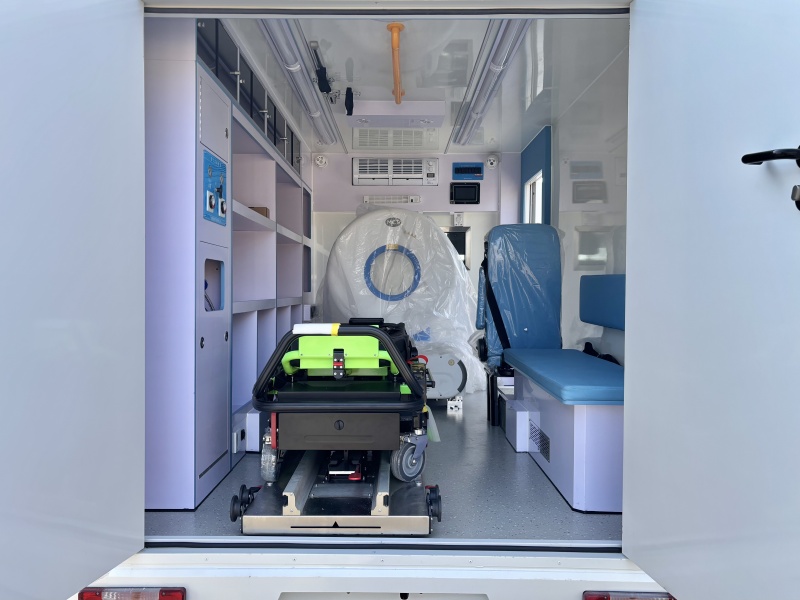
Sensitive medical electronics are rated to operate within specific temperature ranges. An excessively hot cabin can cause:
Device malfunction or shutdown to prevent overheating.
Reduced battery life for portable monitors, ventilators, and infusion pumps.
Inaccurate readings from chemical reagents used in point-of-care testing.
A stable, climate-controlled environment ensures that all life-support equipment functions reliably throughout the journey.
The safety of the patient is directly tied to the alertness and comfort of the EMS crew.
Cognitive Function: Extreme heat impairs concentration, decision-making, and reaction times—all critical for providing complex care in a moving vehicle. A cool environment helps medics stay sharp.
Physical Comfort: The physical exertion of patient care can quickly lead to overheating and dehydration. Climate control helps regulate crew body temperature, reducing fatigue.
Personal Protective Equipment (PPE): Wearing masks, gowns, and gloves generates significant body heat. A powerful AC system makes wearing full PPE for infectious disease control more tolerable and sustainable.
Not all air conditioners are created equal. An ambulance air conditioning system designed for safety includes:
Dual-Zone Climate Control: Allows for different temperatures in the driver's cab and the patient module, catering to the needs of both.
Redundant Systems: Many critical care ambulances have a second, independent AC unit that runs off an auxiliary power system. This ensures climate control continues even if the main vehicle engine is off, during long waits on scene, or during a mechanical failure.
Robust Construction: Built to withstand constant vibration, door openings, and 24/7 operation without failure.
Rapid Cooling/Heating Capacity: The ability to quickly bring the cabin to a desired temperature upon entry is a key performance metric.
The ambulance air conditioning system is far from a luxury. It is an active medical intervention tool that protects the most vulnerable patients, safeguards the health of crew members, and ensures the reliability of life-saving technology. When specifying a new ambulance, the capabilities of the HVAC system should be evaluated with the same rigor as any other piece of medical equipment. Investing in a high-performance system is a direct investment in patient safety and operational excellence.



 Ambulance


