A well-coordinated national emergency preparedness system depends on rapid medical response capabilities. Ambulances play a central role in ensuring timely intervention during natural disasters, public health crises, accidents, and other emergencies. By equipping healthcare systems with reliable, versatile, and specialized ambulances, governments can enhance patient outcomes, reduce mortality rates, and maintain public confidence during critical situations.
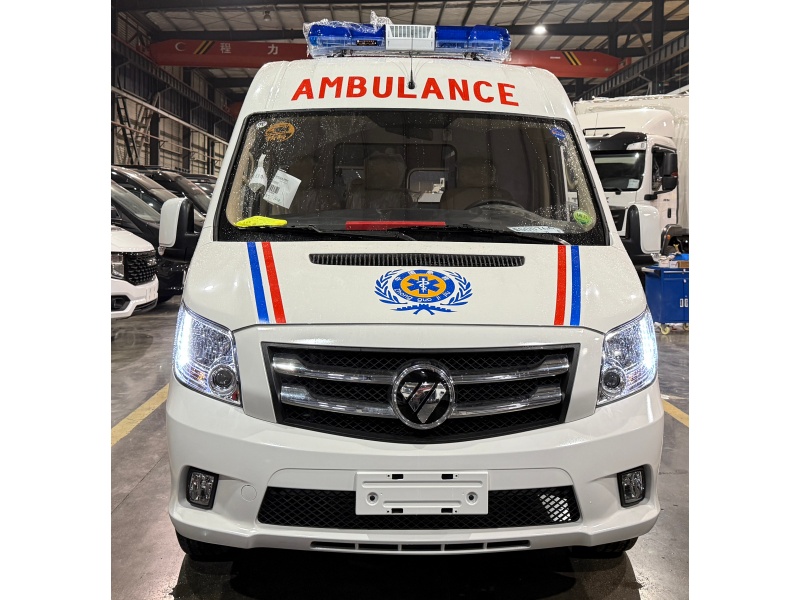
Ambulances enable emergency services to reach patients quickly, even in remote or congested areas. Features such as:
4x4 drivetrains for rural or off-road regions.
High-speed, reinforced chassis for urban environments.
Real-time communication systems with hospitals and emergency centers.
These capabilities ensure national health systems can respond rapidly to crises, saving lives and mitigating damage.
National emergencies vary widely, and ambulances provide the flexibility to respond effectively:
ICU ambulances for critically ill or injured patients.
Transfer ambulances for relocating patients between hospitals or disaster zones.
Monitoring ambulances for on-site patient care during events or outbreaks.
Off-road ambulances for disaster-affected or inaccessible regions.
A diversified ambulance fleet allows governments to maintain high operational readiness under any scenario.

Ambulances are more than transport vehicles—they act as mobile extensions of hospital emergency operations:
Facilitate triage and stabilization directly at the scene.
Maintain vital patient monitoring during transport.
Communicate patient information to receiving facilities for seamless handover.
This improves the efficiency of national emergency medical services and ensures optimal allocation of healthcare resources.
OEM exporters provide tailored ambulance solutions that meet regional requirements:
Interior layouts for ICU, monitoring, or mass-casualty management.
Equipment integration for telemedicine, oxygen supply, and life support.
Fuel and drivetrain options optimized for local infrastructure and environmental conditions.
Customization ensures that ambulances are fully aligned with national healthcare strategies.

For national emergency preparedness, reliability and compliance are critical:
Ambulances from trusted brands like Mercedes-Benz, Toyota Hiace, and Iveco are built to withstand heavy use.
Certified to international and local safety, medical, and road standards.
After-sales service and training ensure long-term operational efficiency.
Reliable, certified vehicles reduce downtime and guarantee readiness when emergencies strike.
Investing in ambulances strengthens national emergency infrastructure by:
Expanding access to care in urban, rural, and disaster-prone areas.
Reducing mortality and morbidity through rapid intervention.
Supporting disaster preparedness, response, and recovery operations.
For governments, ambulances are a cost-effective investment in national resilience and public health.
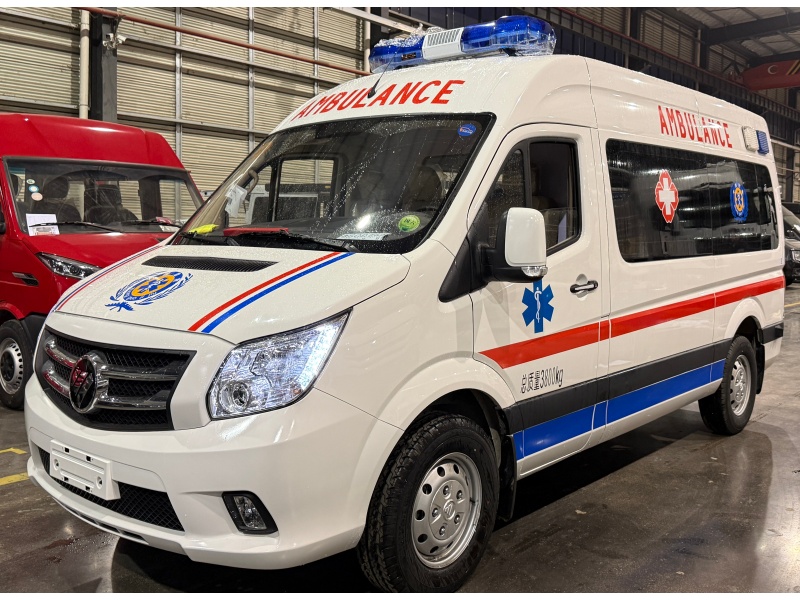
Ambulances are a cornerstone of effective national emergency preparedness systems. By combining rapid response, advanced medical capabilities, flexible deployment, and reliable OEM support, they empower healthcare providers and governments to deliver timely, life-saving care.
A well-equipped, strategically deployed ambulance fleet enhances national resilience, strengthens public trust, and ensures that healthcare systems are prepared for any emergency, large or small.



 Ambulance


