In emergency medical services, ICU ambulances are a vital component for managing critically ill patients. Designed for rapid response and equipped with advanced life support (ALS) systems, these ambulances extend the capabilities of hospital care directly to the patient, ensuring immediate intervention in life-threatening situations. Hospitals, government agencies, and emergency responders rely on ICU ambulances to save lives and improve patient outcomes during critical events.
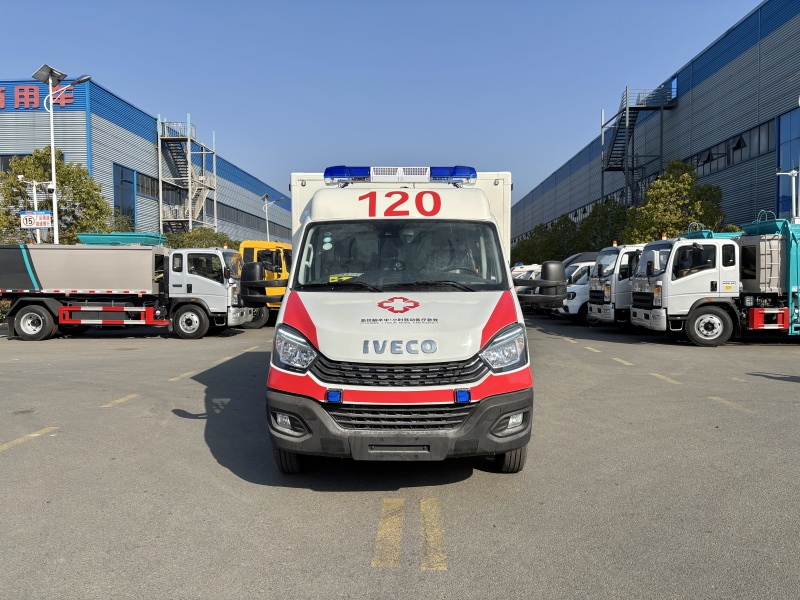
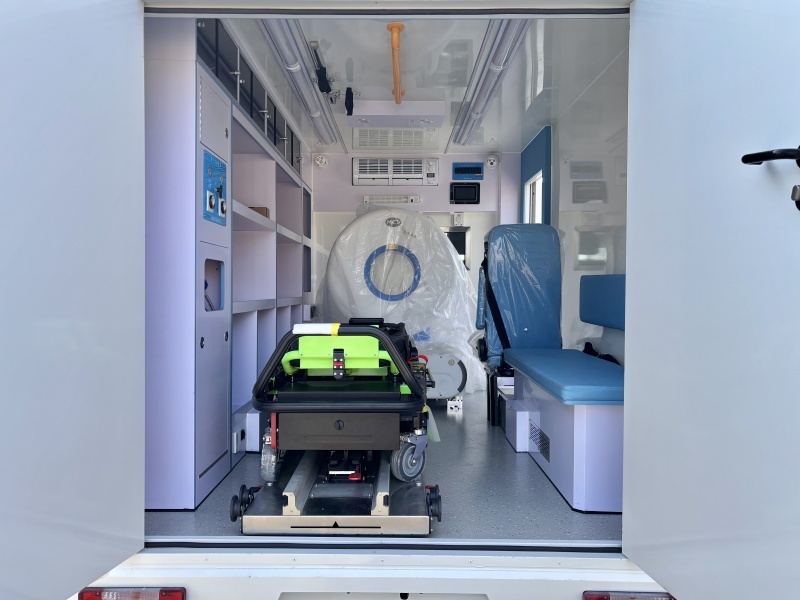
ICU ambulances are fully outfitted with essential medical equipment, including:
Ventilators for respiratory support.
Cardiac monitors and defibrillators.
Infusion pumps for medication administration.
Oxygen supply systems and suction units.
This allows medical staff to provide intensive care en route, bridging the gap between the emergency scene and hospital facilities.
During critical emergencies, time is of the essence. ICU ambulances are designed for:
High-speed stability and reinforced suspension for rough terrain.
Secure stretcher systems to minimize patient movement during transit.
Ergonomic layouts enabling medical staff to administer care efficiently.
By combining speed with safety, ICU ambulances ensure patients reach specialized care without delay or compromise.
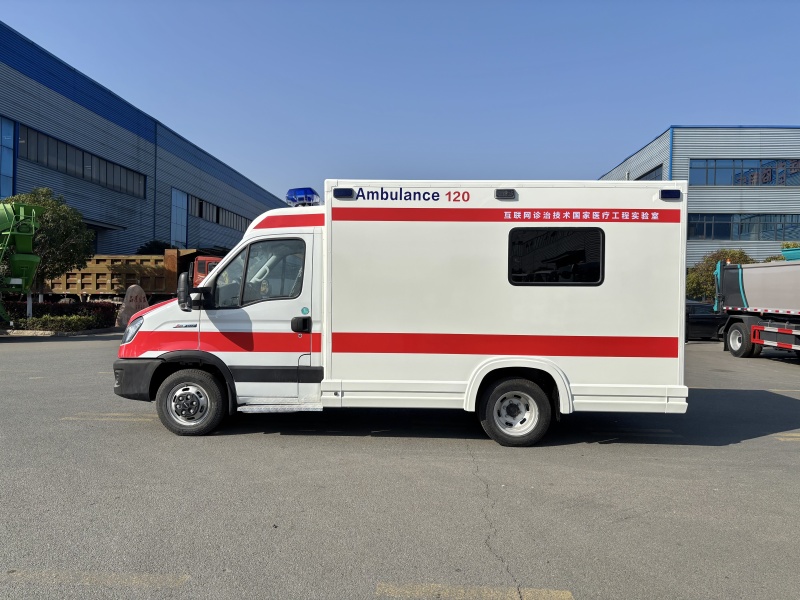
ICU ambulances play a key role in integrated emergency response systems:
Allow triage teams to transport critically ill patients directly to suitable hospitals.
Enable emergency departments to prepare for incoming patients with advanced notification.
Support coordinated response during mass-casualty incidents or disasters.
This level of preparedness significantly improves survival rates in high-acuity cases.
Modern ICU ambulances can be tailored to hospital requirements, including:
Interior layouts for one or multiple patients.
Integration of telemedicine and patient monitoring systems.
Choice of drivetrain (4x2 for urban areas, 4x4 for rural or off-road deployment).
Customization ensures that every ambulance is optimized for the types of emergencies most commonly encountered in a region.
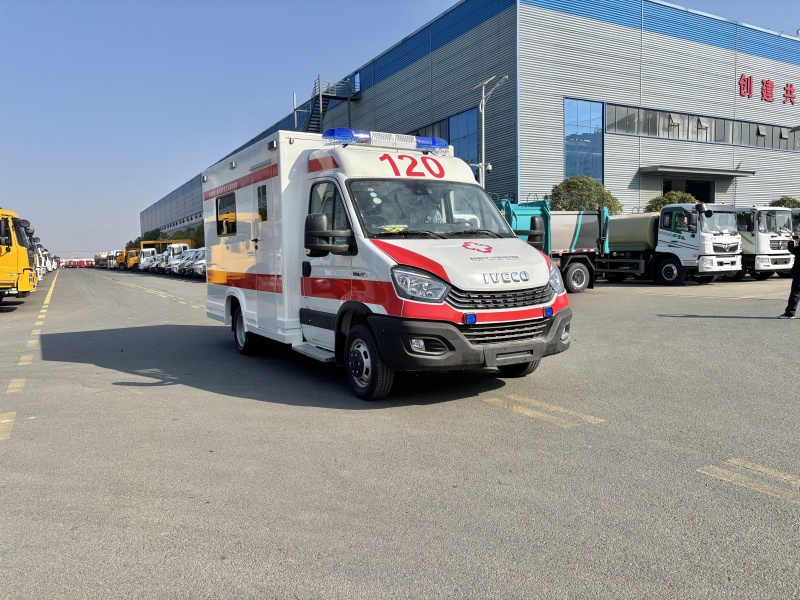
Procurement officers benefit from sourcing ICU ambulances from trusted OEM exporters:
Brands such as Mercedes-Benz, Toyota Hiace, and Iveco provide durable and certified platforms.
Exporters offer full compliance with international safety and medical standards.
After-sales support ensures maintenance, spare parts, and training for staff are readily available.
This reliability is critical for hospitals and agencies that depend on ICU ambulances for life-saving missions.
ICU ambulances are indispensable for critical emergency response. By combining advanced life support, rapid transport capabilities, and tailored customization, they allow healthcare providers to deliver high-quality care in situations where every second counts.
For hospitals, government agencies, and NGOs, investing in well-equipped ICU ambulances ensures that emergency medical services are prepared for even the most severe patient conditions, ultimately saving lives and improving community health outcomes.



 Ambulance


