In the world of emergency medical services (EMS), seconds count and the quality of care during transport can determine patient outcomes. Technological advancements are revolutionizing ambulance performance, transforming these vehicles from simple transport units into high-tech, mobile treatment hubs. These innovations are enhancing speed, safety, diagnostic capability, and communication, ultimately leading to more lives saved.
Here’s a look at the key technologies driving this evolution:
Gone are the days of relying solely on map books and local knowledge. Modern ambulance fleets use sophisticated integrated software that does far more than provide directions.
Real-Time Traffic Avoidance: Systems like CAD (Computer-Aided Dispatch) integrated with GPS use live traffic data to dynamically calculate the fastest route to a scene and then to the most appropriate hospital, avoiding congestion and accidents.
Predictive Analytics: Some systems can even analyze historical data to predict where demand for ambulances is likely to spike, allowing for strategic positioning of units before emergencies happen.
Emergency Vehicle Preemption (EVP): This technology allows an ambulance to communicate with traffic signals, changing them to green to clear a path and significantly reduce response times in urban areas.
This is perhaps the most significant leap forward in patient care. Ambulance teams are no longer isolated; they are connected members of the healthcare team.
Live Video and Vital Signs Feed: Paramedics can transmit real-time ECG readings, blood oxygen levels, blood pressure, and video of the patient directly to the awaiting hospital emergency room. This allows physicians to remotely assess the situation, provide guidance, and prepare specific resources (like a cath lab for a heart attack victim) before the patient even arrives.
Electronic Patient Care Reporting (ePCR): Tablets and mobile devices allow crews to input patient data electronically. This information can be instantly sent to the hospital, streamlining handover and ensuring the receiving team has all the information they need without delay.
To protect the patients and crew inside, ambulances are adopting advanced safety features from the automotive industry.
Collision Avoidance Systems: These include automatic emergency braking, blind-spot monitoring, and lane departure warnings. Given that ambulances often drive at high speeds in stressful conditions, these systems are crucial for preventing accidents.
Stability Control: Advanced electronic stability programs help prevent rollovers, which are a significant risk for top-heavy emergency vehicles taking corners at speed.
Camera Systems: 360-degree camera systems provide a bird’s-eye view of the vehicle, making it easier to maneuver in tight spaces and enhancing safety when reversing.
The very backbone of the ambulance is getting smarter and more reliable.
Lightweight Composite Materials: The use of stronger, lighter materials for the patient module improves fuel efficiency without sacrificing durability or safety.
High-Capacity Electrical Systems: Modern ambulances are packed with technology, requiring robust electrical systems with lithium-ion auxiliary batteries and smart power management to run all the medical and communications equipment without draining the vehicle’s starting battery.
Hybrid and Electric Platforms: The emergence of electric ambulances promises quieter operation (reducing noise pollution in communities), zero emissions (allowing them to operate in low-emission zones), and massive auxiliary power generation to run all onboard systems without the need for a loud, fuel-consuming idling engine.
The tools available to paramedics inside the ambulance are becoming more advanced, portable, and integrated.
Point-of-Care Testing (POCT): Handheld devices can now perform blood tests (e.g., for troponin levels indicating a heart attack or lactate levels indicating sepsis) in minutes right at the patient's side, enabling faster diagnosis and treatment.
Portable Ultrasound: Compact, rugged ultrasound machines allow paramedics to perform FAST scans (Focused Assessment with Sonography for Trauma) internally at the scene of an accident to detect internal bleeding.
Automated CPR Devices: These mechanical devices provide consistent, high-quality chest compressions during transport, which is far superior to manual CPR in a moving vehicle and frees up the crew to perform other life-saving interventions.
While still emerging, drones are being tested and deployed in several innovative ways:
Delivery of Essential Supplies: Drones can deliver automated external defibrillators (AEDs) to a cardiac arrest scene faster than a ground vehicle can arrive, or deliver blood products and antidotes to remote or hard-to-reach locations.
Scene Assessment: In large-scale accidents or disasters, drones can provide a rapid aerial view to help commanders direct resources effectively.
Technology is transforming the ambulance from a transport vehicle into a central node in a connected emergency healthcare ecosystem. By leveraging data, connectivity, and automation, EMS agencies are achieving the ultimate goals: faster response times, safer transport, more accurate diagnosis, and the ability to begin definitive hospital-level treatment the moment care arrives at the patient’s side. This technological evolution is not just improving ambulance performance—it's fundamentally elevating the standard of pre-hospital care and creating a brighter future for emergency medicine.
#Medical ambulance#Ambulance manufacturer#Community medical ambulance#Epidemic prevention ambulance
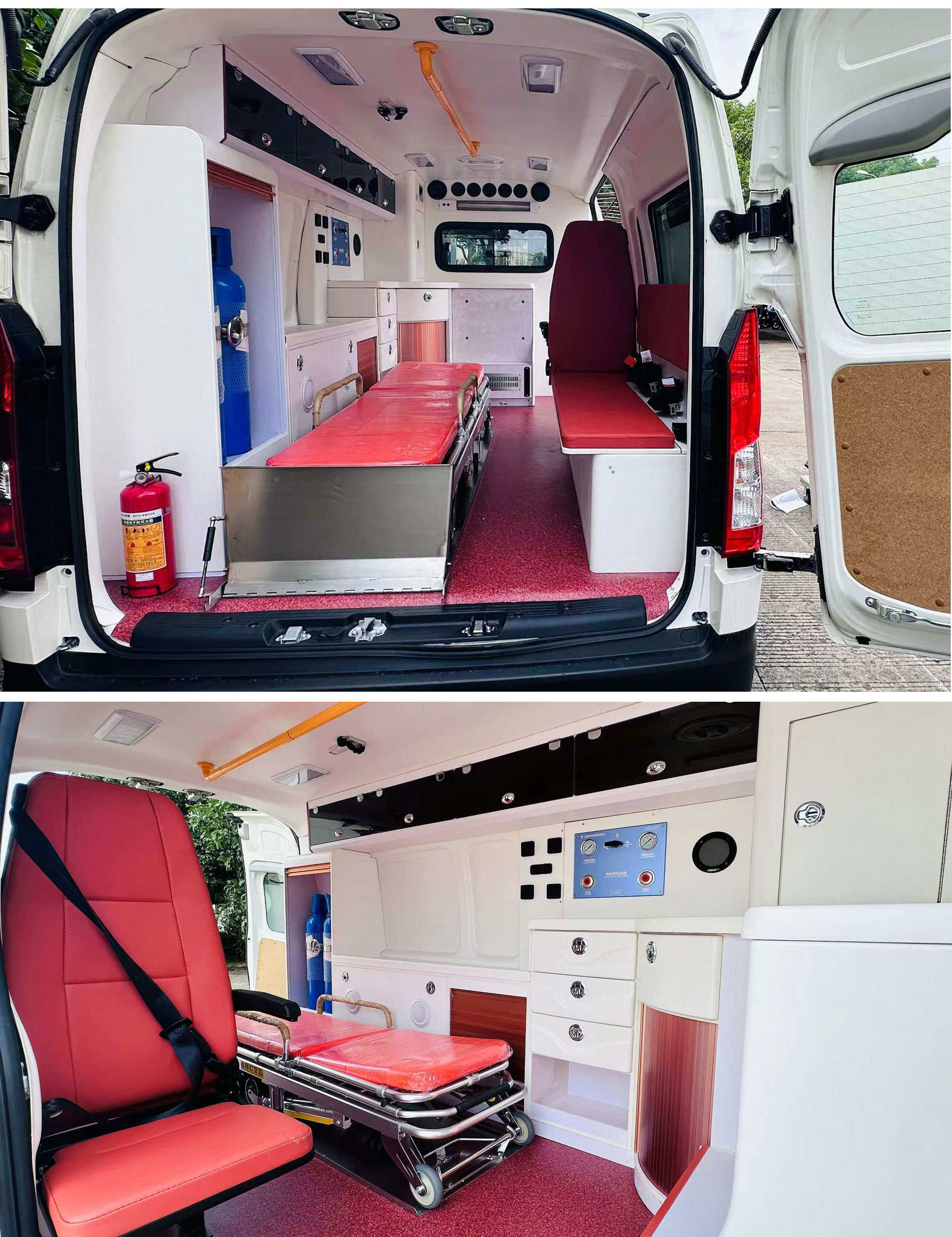



 Ambulance


