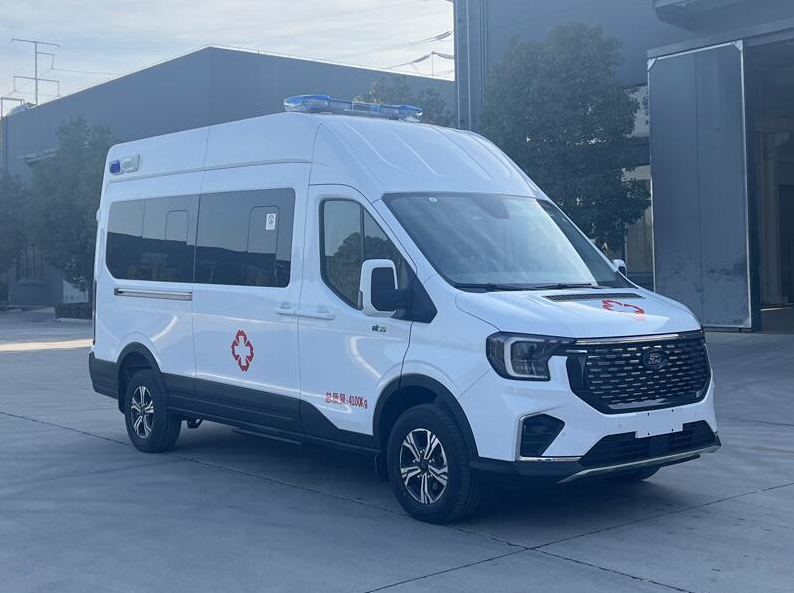
For hospitals, clinics, NGOs, and government agencies, purchasing ambulances is a critical investment that must deliver both reliability and value. The challenge often lies in finding the right balance between cost and quality. While budget limitations are a reality, compromising on quality can jeopardize patient safety and long-term operational efficiency. By approaching procurement strategically, healthcare organizations can secure ambulances that meet medical standards without overspending.
Before considering price, hospitals should clearly identify the purpose of the ambulances:
ICU Ambulances: For advanced life support and critical care.
Transfer Ambulances: For routine patient relocation.
Monitoring Ambulances: For urban and suburban emergencies.
Off-Road Ambulances: For rural and disaster-response operations.
Matching ambulance type to mission requirements ensures that you don’t overpay for unnecessary features—or worse, underinvest in essential equipment.

An ambulance’s sticker price is only part of the equation. True value comes from understanding lifecycle costs, which include:
Fuel consumption (diesel, gasoline, or electric).
Maintenance and spare parts availability.
Insurance, customs duties, and shipping fees.
Expected service lifespan and resale value.
Investing slightly more upfront in a durable, globally recognized brand like Mercedes-Benz, Toyota Hiace, or Iveco can reduce long-term expenses.
Customization is a key driver of ambulance pricing. Hospitals should prioritize features that directly impact patient care and efficiency:
Essential equipment: stretchers, oxygen systems, defibrillators.
Practical interiors: ergonomic layouts, secure storage.
Drive type: 4x2 for cities, 4x4 for rural or rugged terrain.
Avoid over-customization with non-essential extras that inflate costs without improving patient outcomes.

Each leading brand offers distinct advantages:
Mercedes-Benz: Premium technology and reputation, ideal for flagship hospitals and government projects.
Toyota Hiace: Affordable, globally trusted, and easy to maintain—perfect for developing markets.
Iveco: Durable and versatile, suitable for heavy-duty or off-road use.
Selecting a brand based on value for your operational context helps strike the right cost-quality balance.
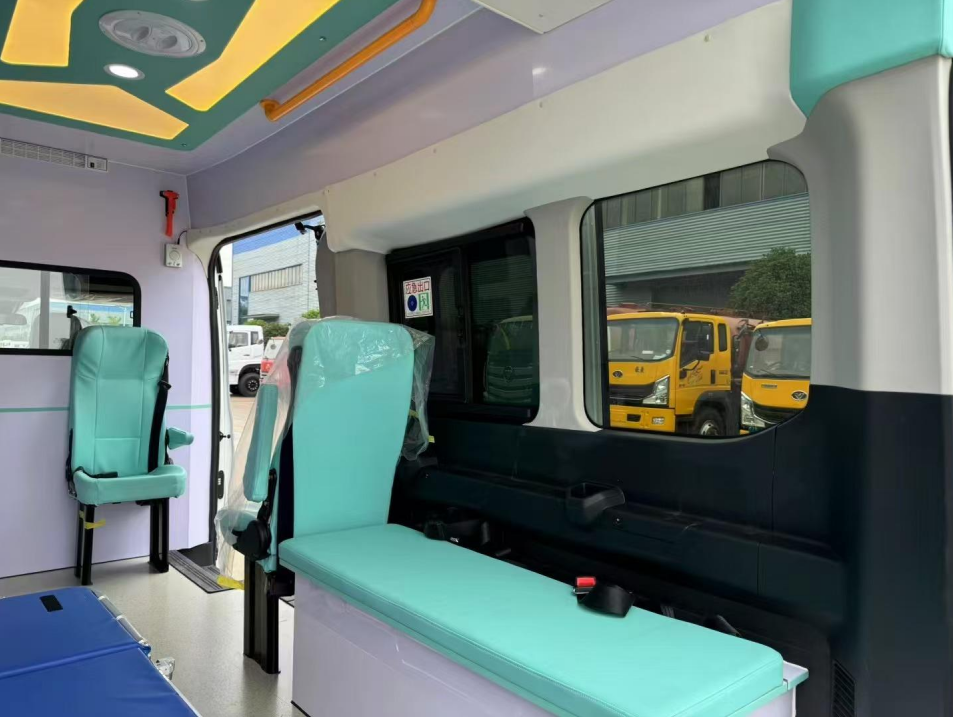
A reliable ambulance exporter ensures compliance with international standards, offers transparent pricing, and provides after-sales support. Hospitals should confirm:
Certifications (ISO, CE, medical compliance).
Proven export history with hospitals and government agencies.
Access to spare parts and technical training.
This minimizes risks and maximizes return on investment.
Even the most advanced ambulance becomes a liability without proper maintenance. Hospitals should budget for:
Scheduled servicing and spare parts.
Training for drivers and medical staff.
Warranty coverage and technical assistance.
Balancing upfront cost with dependable after-sales support is vital to fleet longevity.
Balancing cost and quality in ambulance procurement is about making informed, strategic choices. By defining operational needs, evaluating lifecycle costs, customizing wisely, and working with trusted exporters, hospitals and agencies can secure fleets that deliver both value and reliability. The goal is not to buy the cheapest ambulance, but to invest in vehicles that protect patients, reduce downtime, and ensure efficient healthcare delivery.



 Ambulance


