In the fast-paced and often unpredictable world of emergency medical services, ensuring the safety of both patients and medical teams is paramount. Modern ambulances are equipped with a range of advanced safety features that not only enhance the security of all occupants but also improve the efficiency of emergency response. From collision avoidance systems to improved cabin design, these innovations are revolutionizing how we think about ambulance safety.
One of the most significant advancements in recent years is the integration of collision avoidance technologies. These systems use sensors and cameras to detect potential obstacles and alert drivers, significantly reducing the risk of accidents. Additionally, ergonomic designs within the ambulance cabin reduce physical strain on medical personnel, allowing them to focus more effectively on patient care. Secure storage solutions for medical equipment and supplies further minimize the risk of injury during transport, ensuring that everything remains in place even under the most challenging conditions.
The benefits of these safety innovations extend beyond just the immediate protection they offer. In real-world scenarios, such as navigating through heavy traffic or responding to calls in adverse weather, these features can make a critical difference. For example, our company's latest ambulance model includes an advanced GPS system that provides real-time traffic updates and suggests the fastest route to the destination, thereby reducing response times. This not only enhances the safety of the medical team but also improves the overall quality of patient care. By investing in these cutting-edge technologies, hospitals and rescue organizations can ensure that their teams are well-equipped to handle any situation, ultimately saving more lives.
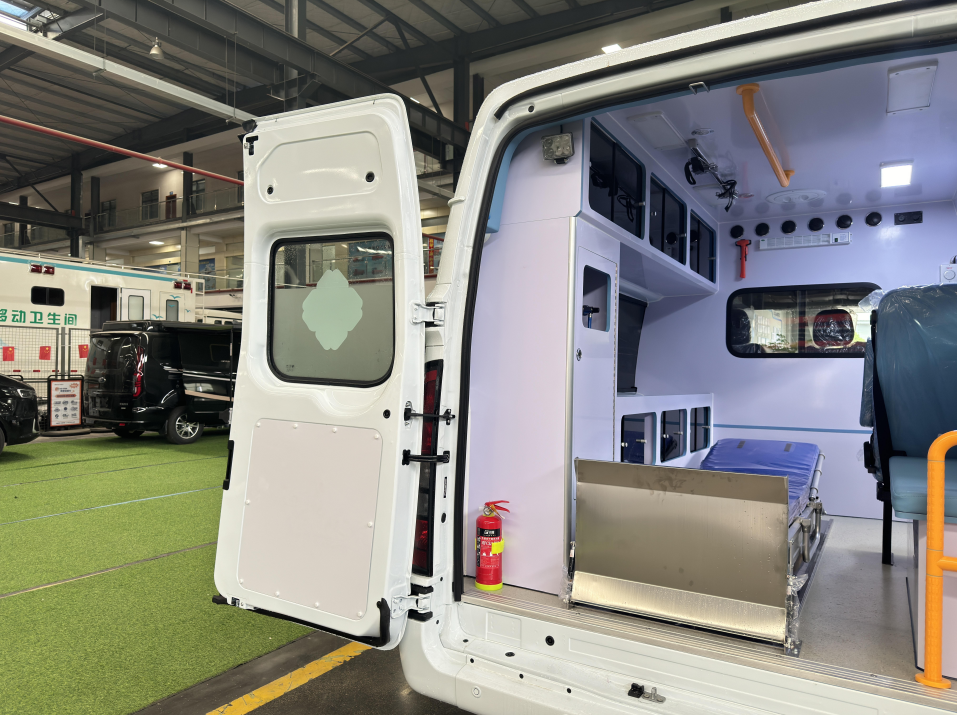



 Ambulance


