Access to healthcare remains a challenge in many urban, rural, and underserved areas. Mobile medical clinics built on ambulances provide an innovative solution, delivering essential healthcare services directly to patients wherever they are. By transforming ambulances into fully equipped medical units, hospitals, NGOs, and government agencies can expand their reach, improve patient care, and respond rapidly to community health needs.
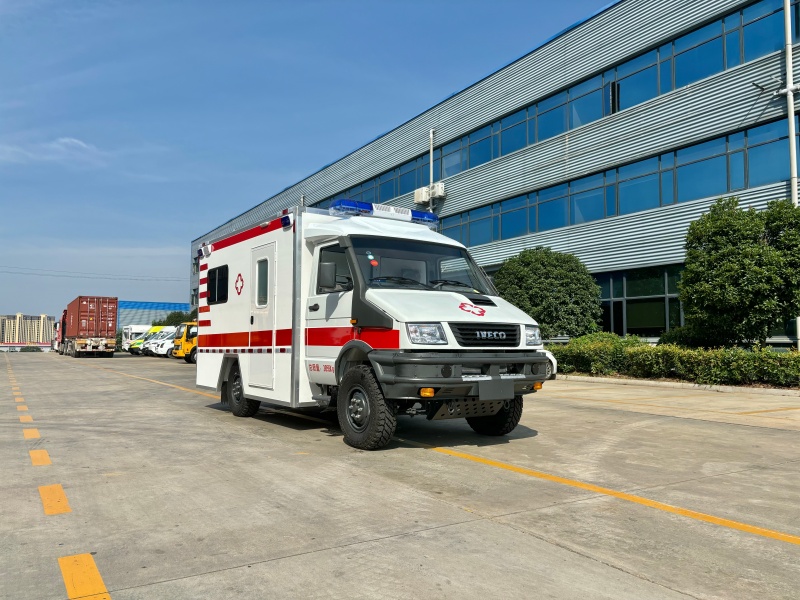
Mobile medical ambulances bridge the gap between healthcare providers and communities with limited access to clinics or hospitals. These vehicles enable:
Routine check-ups and preventive care in remote or urban areas.
Onsite diagnostics, vaccinations, and basic treatment services.
Immediate care during emergencies, disasters, or large-scale events.
By delivering services directly to patients, mobile clinics increase coverage and reduce healthcare disparities.
One of the greatest advantages of ambulance-based medical clinics is their mobility. They can operate in:
Rural regions with poor road infrastructure.
Urban neighborhoods with high patient density.
Temporary setups at events, workplaces, or disaster zones.
This flexibility allows healthcare providers to adapt quickly to changing demands and locations, ensuring efficient service delivery.
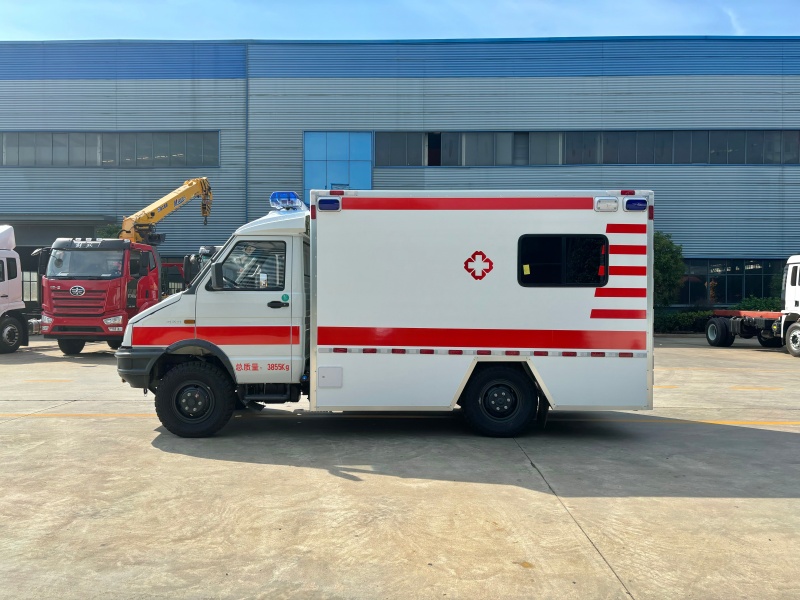
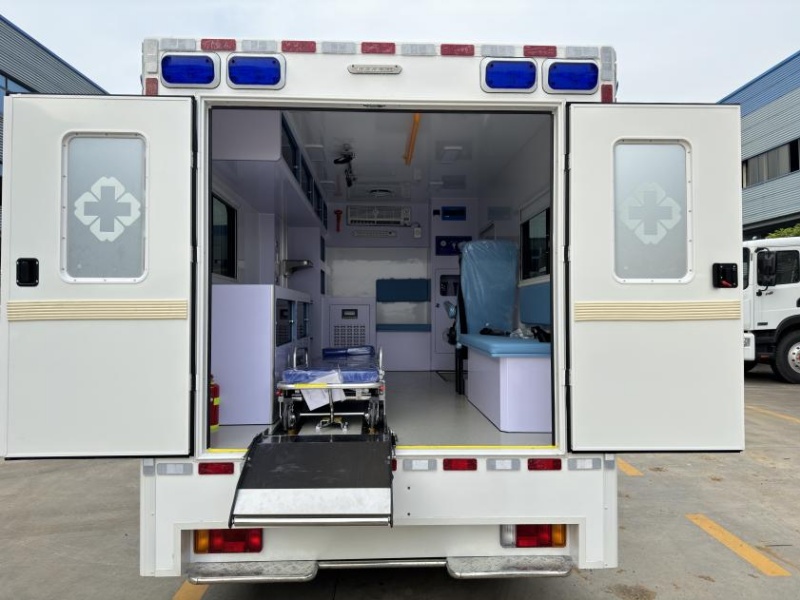
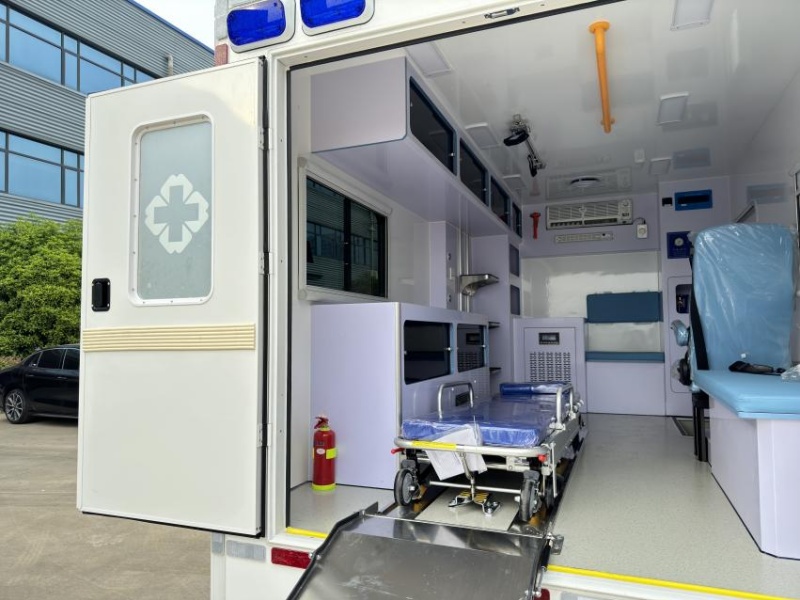
Modern ambulance exporters offer extensive customization options to create functional mobile clinics:
Interior layouts for examination rooms, minor procedures, and patient consultations.
Medical equipment integration such as vital sign monitors, diagnostic devices, and oxygen systems.
Power and climate control systems to maintain optimal conditions for staff and patients.
Customized ambulances are tailored to the specific health services needed in a community.
Mobile clinics reduce the need for building multiple fixed-location facilities, saving on construction and operational costs. They also:
Optimize staff deployment by centralizing mobile operations.
Reduce patient travel time and associated expenses.
Serve multiple communities with a single vehicle, increasing operational efficiency.
For NGOs and government programs, this represents a scalable and sustainable healthcare investment.
Ambulance-based clinics are not limited to routine care—they also serve as critical assets during:
Natural disasters such as floods, earthquakes, or hurricanes.
Public health campaigns including vaccination drives.
Large-scale events where medical support is needed on-site.
By combining mobility with medical functionality, these units enhance emergency preparedness and response capabilities.
Procurement officers benefit from sourcing mobile clinic ambulances from reputable OEM exporters:
Trusted brands such as Mercedes-Benz, Toyota Hiace, and Iveco provide durable, certified platforms.
Full compliance with ISO, CE, and local medical vehicle regulations.
After-sales support, maintenance, and staff training for seamless operation.
This ensures that mobile medical solutions are safe, reliable, and fully equipped to meet healthcare demands.
Using ambulances as mobile medical clinics transforms healthcare delivery by making it more accessible, flexible, and efficient. Hospitals, NGOs, and government agencies can bring quality medical services directly to patients, even in the most remote or underserved regions.
Investing in customized mobile clinic ambulances ensures operational efficiency, patient safety, and long-term sustainability, ultimately improving healthcare outcomes and community well-being.



 Ambulance


