Mobile Intensive Care Unit (ICU) ambulances represent a significant leap forward in the field of emergency medical services. These specialized vehicles are equipped with advanced life support systems, allowing for immediate and comprehensive care to be administered at the scene or during transport. This not only enhances the survival rate of critically ill patients but also ensures that they receive the same level of care as they would in a hospital setting. The integration of mobile ICUs into emergency response strategies has transformed how we approach pre-hospital care, making it more efficient and effective.
Our mobile ICU ambulances come equipped with state-of-the-art medical equipment including ventilators, defibrillators, and cardiac monitors, all designed to provide critical care on the go. One of the most notable advantages is the ability to stabilize patients before reaching a hospital, which can be lifesaving in cases where every second counts. Additionally, these units are staffed by highly trained paramedics and nurses who specialize in emergency medicine, ensuring that patients receive the best possible care from the moment they are picked up until they arrive at their destination. Such features make our mobile ICU ambulances an indispensable asset for any emergency medical service provider.
In numerous instances, mobile ICU ambulances have proven invaluable in saving lives. For example, during large-scale disasters or in remote areas where access to hospitals may be limited, these vehicles serve as mini-hospitals, providing essential medical services right where they're needed most. A case study from a rural community showed a 30% increase in survival rates among trauma patients after the introduction of mobile ICU services. This demonstrates the profound impact that well-equipped and expertly staffed mobile ICU ambulances can have on improving patient outcomes and overall public health. As such, investing in these advanced medical transportation solutions is not just about enhancing operational capabilities; it's about saving lives and improving the quality of care provided to those in need.
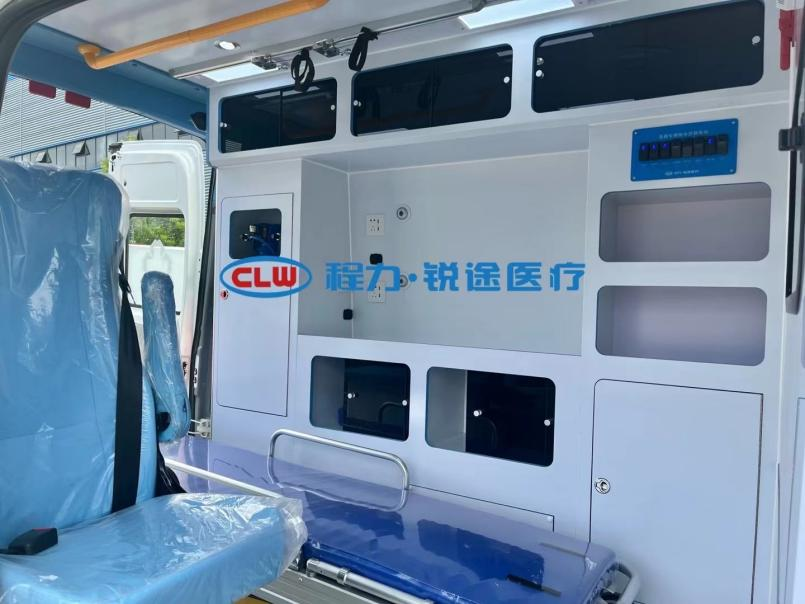



 Ambulance


