In the world of emergency medical services (EMS), the choice between a standard ambulance and an advanced life support (ALS) ambulance can significantly impact patient outcomes. Standard ambulances are equipped with basic life support (BLS) features, including essential medical supplies and equipment for non-critical patients. On the other hand, ALS ambulances are designed to handle more severe cases, offering a wider range of medical equipment and specialized tools for advanced care.
Standard ambulances typically include a stretcher, oxygen tanks, automated external defibrillators (AEDs), and basic first-aid supplies. These vehicles are ideal for transporting patients who require monitoring but do not need immediate, intensive medical intervention. In contrast, ALS ambulances are equipped with advanced medical devices such as ECG monitors, ventilators, and IV pumps. They also carry a broader array of medications and have space for additional medical personnel, enabling them to provide on-site critical care and stabilize patients before reaching the hospital.
When selecting an ambulance, it's crucial to consider the specific needs of your organization. For urban areas or regions with high volumes of non-critical calls, a fleet of standard ambulances may suffice. However, for rural areas, where response times are longer, or for organizations that frequently handle severe trauma or cardiac events, investing in ALS ambulances is essential. Our company offers customizable solutions, allowing you to tailor the ambulance to your exact requirements, ensuring optimal patient care and operational efficiency.
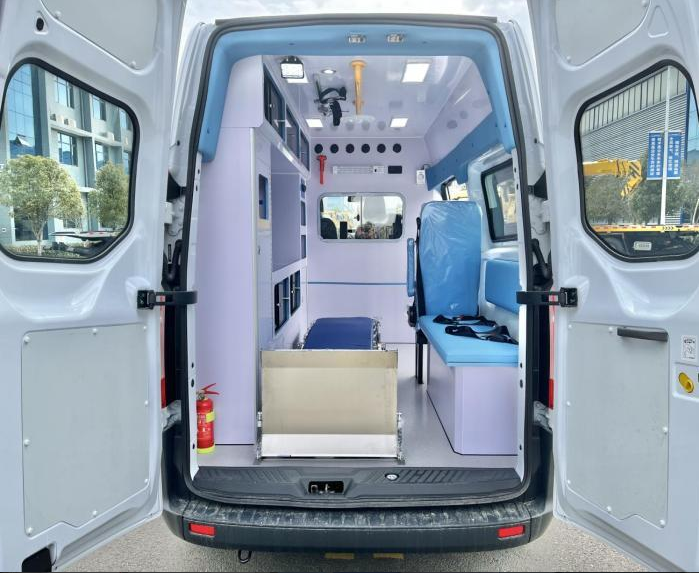



 Ambulance


