In an era where sustainability is no longer a choice but a necessity, the automotive industry, including the manufacture of ambulances, is undergoing a significant transformation. This shift towards more environmentally friendly practices not only helps in reducing the carbon footprint but also aligns with the growing consumer demand for green products. By integrating sustainable materials and innovative designs, manufacturers are able to create ambuluses that are both efficient and eco-conscious, without compromising on performance or safety.
The journey to making ambulances greener starts from the very blueprint. Utilizing lightweight yet durable materials such as recycled aluminum and bioplastics can significantly reduce the vehicle's overall weight, leading to better fuel economy. Additionally, incorporating solar panels into the roof design provides an alternative power source, reducing reliance on fossil fuels. Inside, features like LED lighting and energy-efficient HVAC systems further enhance the sustainability quotient of these life-saving machines. Our company leads this charge by continuously researching and implementing cutting-edge technologies aimed at minimizing our environmental impact while maximizing patient care capabilities.
Transitioning to a more sustainable model presents its own set of challenges, including higher initial costs and the need for advanced technological solutions. However, the long-term benefits, such as reduced operational expenses and a positive brand image, far outweigh these obstacles. Moreover, governments around the world are increasingly offering incentives for businesses that adopt green practices, making it economically viable as well. As pioneers in the field of emergency vehicle production, we are committed to overcoming these hurdles through collaboration with leading research institutions and continuous innovation, ensuring that our ambulances remain at the forefront of both functionality and sustainability.
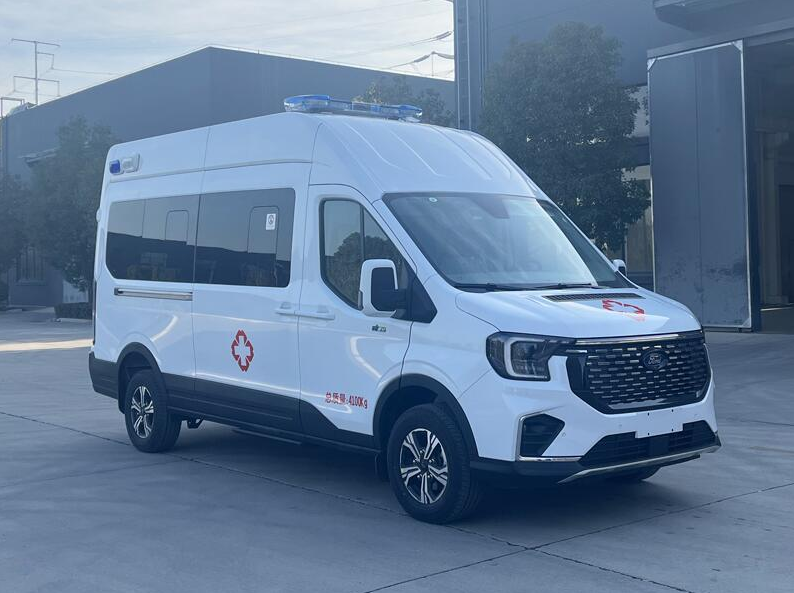



 Ambulance


