In the fast-paced and high-stakes world of emergency medical services, hospitals require ambulances that are not only reliable but also tailored to their specific needs. Customization allows for a more efficient workflow, better patient outcomes, and improved overall performance. By working closely with ambulance manufacturers, hospitals can ensure that every aspect of the vehicle, from the layout to the medical equipment, is optimized for their unique requirements. This level of personalization can significantly enhance the effectiveness of emergency response teams, ultimately saving lives.
When customizing an ambulance, several key features should be prioritized to maximize its utility. These include ergonomic cabin design for easy access to essential tools, advanced life support (ALS) and basic life support (BLS) configurations, and integrated technology solutions such as GPS and communication systems. Additionally, the choice of materials and finishes can impact the longevity and maintenance of the vehicle. For instance, using anti-microbial surfaces and durable, easy-to-clean materials can help maintain a sterile environment, which is crucial for preventing infections and ensuring patient safety.
A customized ambulance can greatly improve hospital operations by streamlining processes and enhancing the capabilities of emergency response teams. For example, having a well-organized interior layout with designated storage for medical supplies and equipment can reduce the time it takes to locate and use these items during critical moments. Furthermore, incorporating specialized features like pediatric or bariatric accommodations ensures that the ambulance is prepared to handle a wide range of patient needs. This flexibility and adaptability can lead to more effective and efficient emergency care, ultimately benefiting both patients and healthcare providers.
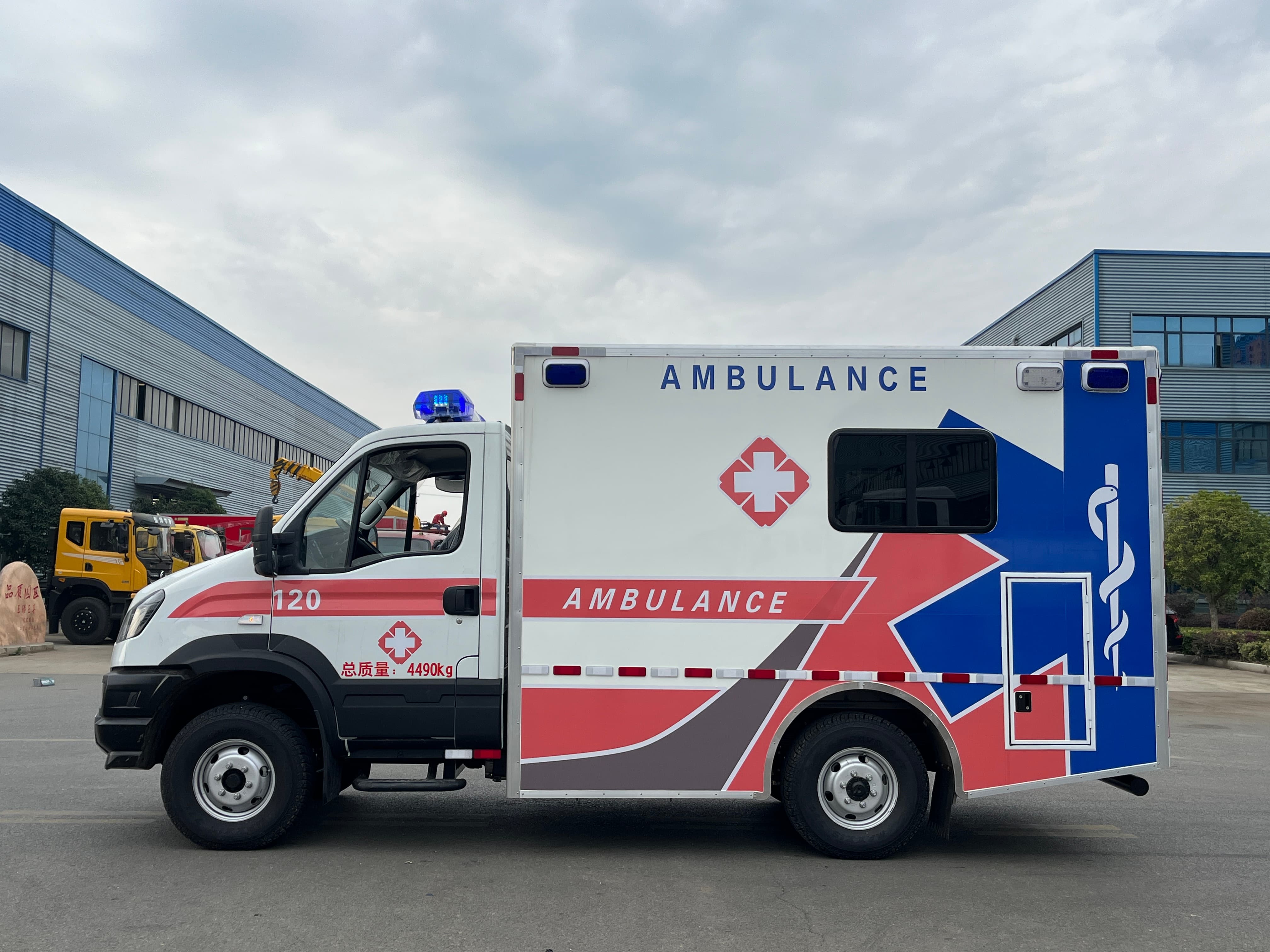



 Ambulance


