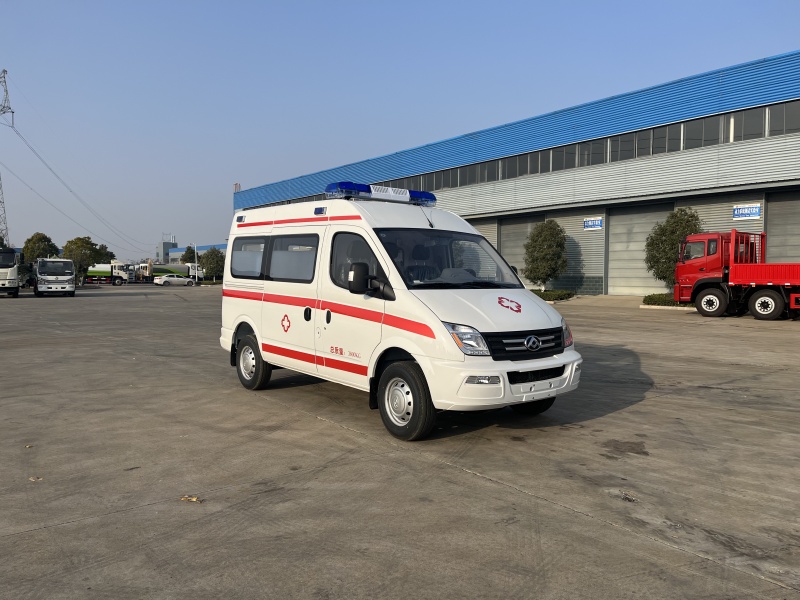
When healthcare organizations invest in ambulances, the body type is a critical decision that directly impacts performance, cost, and patient care. Among the most common configurations are the van-type ambulance and the box-type ambulance. Each design offers unique advantages, and understanding their differences helps hospitals, clinics, and government health agencies select the right fit for their operations.
A van-type ambulance is built on a factory-produced van chassis, often retaining the vehicle’s original body shape. This design makes it lighter, more compact, and easier to maneuver in congested urban areas. Hospitals and clinics located in busy city centers often prefer van-type ambulances because they can navigate traffic more efficiently and access narrow streets where larger vehicles might struggle.
In addition to agility, van-type ambulances are generally more fuel-efficient and cost-effective. Lower initial purchase costs and reduced operating expenses make them attractive to healthcare providers managing large fleets. They are often used for basic life support (BLS) services, patient transfers, and non-critical transport, where speed and cost-efficiency are top priorities.

By contrast, the box-type ambulance is built with a custom medical cabin mounted on a truck or van chassis. This design provides a much larger interior, allowing for advanced medical equipment, storage, and personnel to operate efficiently during critical emergencies.
For hospitals that require intensive care unit (ICU) ambulances or advanced life support (ALS) vehicles, the box-type design offers the space and flexibility to accommodate ventilators, defibrillators, stretchers, and multiple medical staff. The squared cabin also allows for better customization, including specialized layouts for neonatal care, disaster response, or mobile clinics.
Although larger and typically more expensive, box-type ambulances are the choice for organizations prioritizing advanced medical capabilities over compact design.
Hospitals and clinics must evaluate several factors when deciding between van-type and box-type ambulances:
Operational Environment: Urban and high-traffic areas favor van-type units, while regional or rural healthcare systems benefit from box-type flexibility.
Mission Scope: Patient transfers and routine transport are best served by van-type ambulances, while critical care and intensive emergencies demand box-type designs.
Budget Considerations: Van-type vehicles provide lower upfront costs, while box-type units justify higher investment with advanced treatment capabilities.
Fleet Balance: Many healthcare systems combine both types, using van-type ambulances for efficiency and box-type models for critical missions.
As a trusted exporter of medical and emergency vehicles, our company provides both van-type ambulances and box-type ambulances tailored to the needs of hospitals, clinics, and government agencies. We offer a wide range of chassis options from internationally recognized brands such as Mercedes-Benz, Toyota Hiace, and Iveco.
Our vehicles can be configured for basic transport, monitoring-type care, ICU-level support, or off-road emergency missions. Each ambulance is manufactured to international quality standards, equipped with advanced medical systems, and supported by reliable after-sales service.
By working with us, healthcare organizations gain a partner dedicated to delivering ambulances that combine safety, efficiency, and long-term value—ensuring every patient receives the care they need, wherever they are.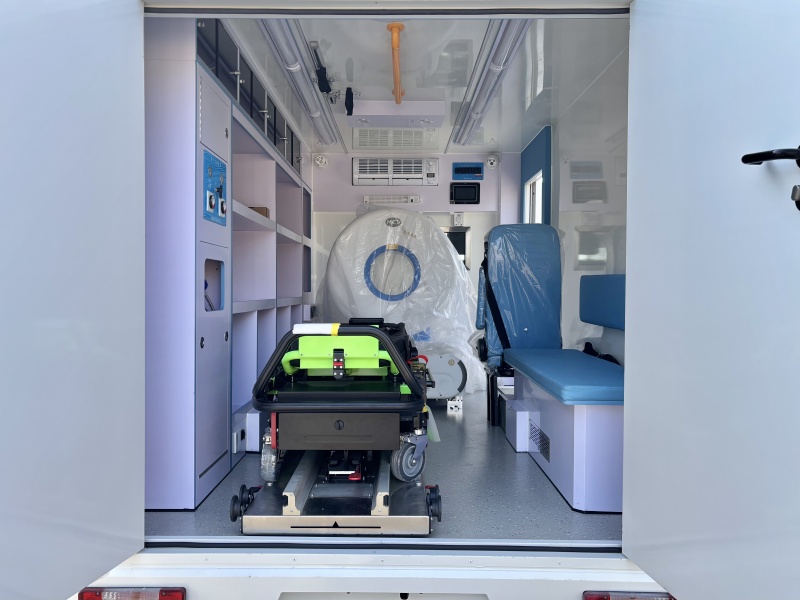
Both van-type and box-type ambulances play essential roles in modern healthcare systems. Van-type units offer maneuverability and affordability for daily operations, while box-type designs provide the space and functionality required for advanced medical treatment. Hospitals and clinics that carefully assess their patient needs, operating environments, and long-term strategies will find that a balanced fleet delivers the greatest benefit.



 Ambulance


