Emergency medical services (EMS) are evolving rapidly, driven by advances in technology, sustainability goals, and changing healthcare needs. Modern emergency medical vehicles are no longer just transport units—they are mobile clinics, critical care units, and high-tech emergency response hubs. Hospitals, government agencies, and NGOs must stay informed about trends shaping the future of ambulances to ensure their fleets remain effective, efficient, and patient-centered.
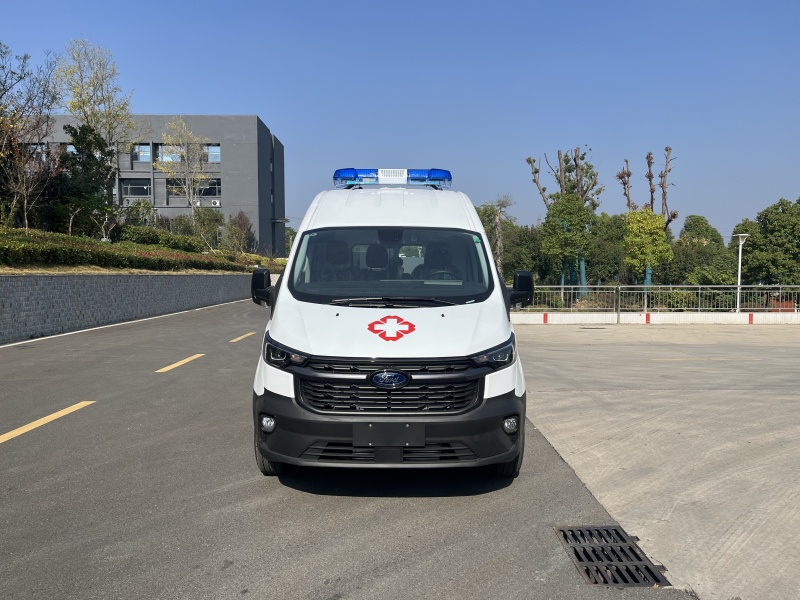
Sustainability is a growing priority in healthcare and transportation. Electric and hybrid ambulances are increasingly adopted to:
Reduce carbon emissions and operational costs.
Comply with government environmental regulations.
Operate quietly in urban areas, minimizing noise pollution.
This trend reflects a global push toward eco-friendly emergency services without compromising performance.
Future ambulances are integrating cutting-edge medical technologies:
Real-time patient monitoring with data transmission to hospitals.
Telemedicine systems enabling remote consultation with specialists.
AI-assisted diagnostics and predictive alerts for patient deterioration.
These innovations transform ambulances into mobile ICUs, enhancing patient care during transport.

Modern EMS demands versatility. Ambulance manufacturers are offering customizable platforms to:
Support ICU, monitoring, or transfer operations.
Adapt interior layouts for single or multiple patients.
Include off-road or 4x4 capabilities for rural, disaster-prone, or remote areas.
Customization ensures each ambulance meets specific operational and clinical requirements.
Future ambulances will focus on safety and connected operations:
Advanced driver-assistance systems (ADAS) for collision avoidance and navigation.
GPS and fleet management tools for optimized dispatch and routing.
Reinforced chassis and secure equipment mounting for patient and staff safety.
These features reduce risks, improve efficiency, and maintain service reliability.

Ambulances are increasingly serving broader healthcare functions:
Mobile medical units for preventive care, vaccination campaigns, or diagnostics.
Rapid-deployment vehicles for disaster response or mass-casualty incidents.
Integration of telehealth, lab testing, and minor surgical capabilities on board.
This multi-functionality enhances the reach and impact of healthcare services.
To implement these trends effectively, procurement officers should partner with trusted ambulance exporters:
Brands like Mercedes-Benz, Toyota Hiace, and Iveco provide certified, durable platforms.
Exporters offer full customization, compliance with international standards, and after-sales support.
Staff training and spare parts availability ensure fleet readiness and longevity.
Working with experienced OEMs ensures that advanced ambulances meet operational and regulatory requirements.
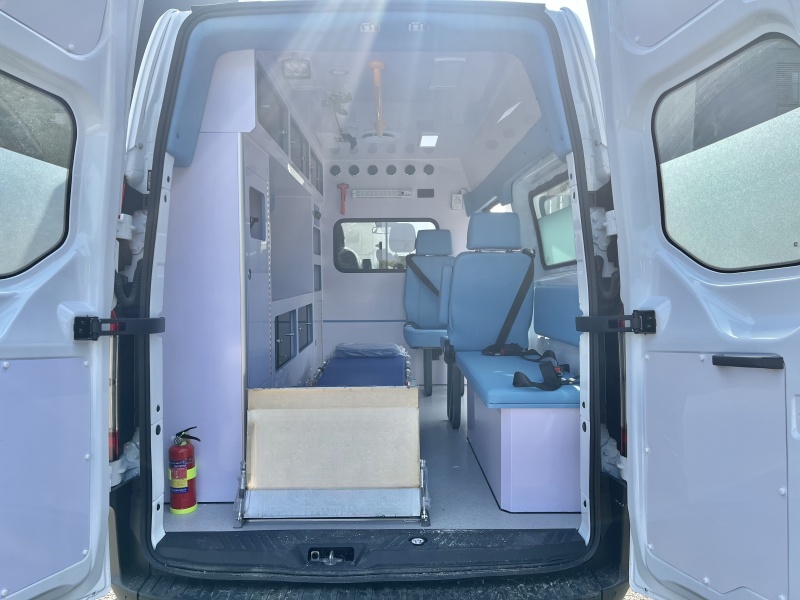
The future of emergency medical vehicles is defined by electrification, advanced monitoring, customization, safety, and multi-functional capabilities. Hospitals, government agencies, and NGOs that adopt these trends can enhance patient care, streamline emergency response, and prepare their fleets for evolving healthcare demands.



 Ambulance


