Ambulances are more than just vehicles—they are vital tools in delivering community healthcare services. From emergency response to routine patient transfers, ambulances ensure that medical care reaches people wherever they are, especially in underserved or remote areas. Hospitals, clinics, NGOs, and government agencies rely on well-equipped ambulances to expand healthcare access, improve patient outcomes, and enhance the efficiency of medical operations.
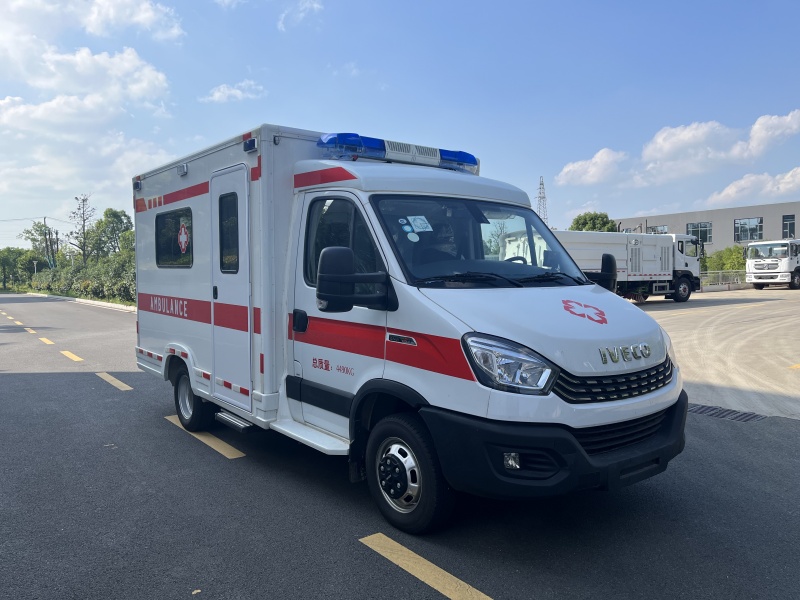
In many regions, healthcare facilities may be limited or difficult to access. Ambulances provide a critical link by:
Transporting patients from remote or rural areas to hospitals or clinics.
Enabling timely emergency response for accidents, injuries, or sudden illnesses.
Supporting mobile health initiatives such as vaccination drives and community screenings.
This connectivity ensures that communities receive prompt and professional medical care, reducing preventable complications and fatalities.
Community healthcare encompasses more than emergency services. Ambulances can be customized to support:
ICU and advanced life support for critically ill patients.
Transfer ambulances for safe relocation between facilities.
Mobile medical clinics for preventive care, diagnostics, and consultations.
Monitoring ambulances for on-site patient observation during events or outbreaks.
These specialized vehicles allow healthcare providers to meet a wide range of community health requirements efficiently.
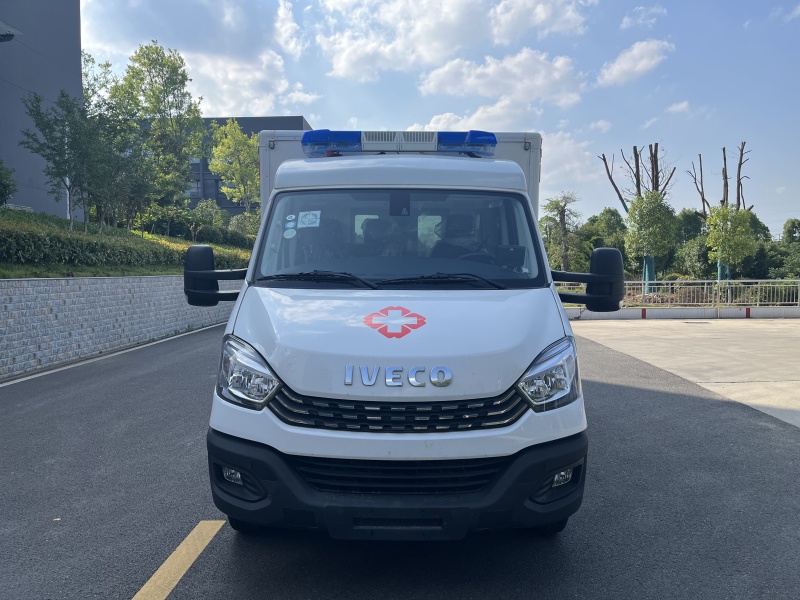
Modern ambulances are designed with patient care in mind:
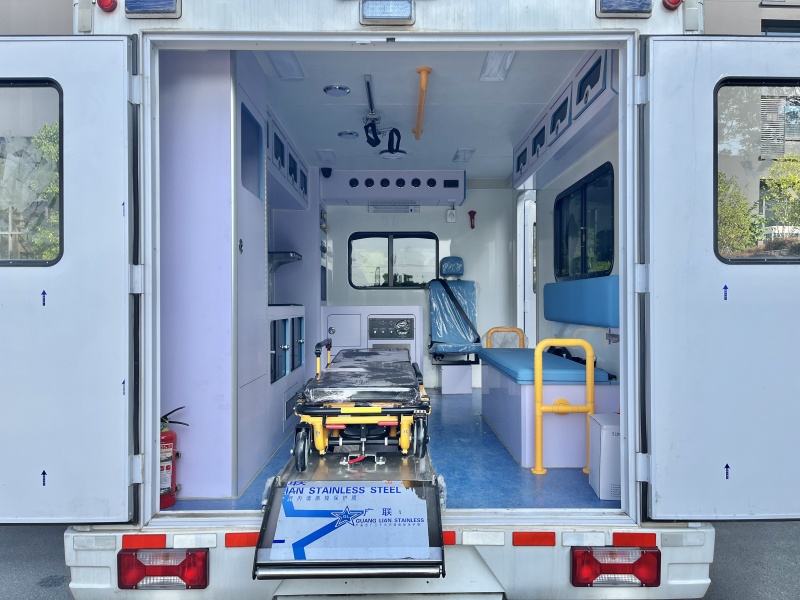
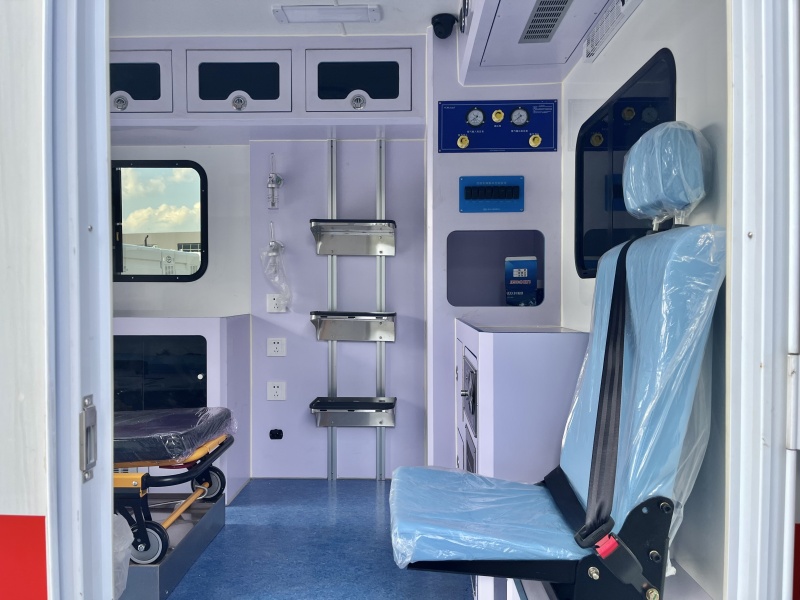
Secure stretcher and equipment mounts prevent injury during transit.
Climate-controlled interiors ensure comfort in extreme weather conditions.
Ergonomic layouts enable medical staff to administer care en route.
By prioritizing patient safety and comfort, ambulances reinforce trust in community healthcare services.
Ambulances can operate effectively across different community settings:
Urban areas: Compact van-type ambulances for fast navigation through traffic.
Rural and off-road areas: 4x4 ambulances capable of reaching remote villages or disaster-affected zones.
This adaptability ensures that healthcare services are accessible regardless of geography or infrastructure limitations.
For governments and NGOs, investing in ambulances is a cost-efficient way to expand healthcare access:
Reduces the need for multiple fixed-location clinics.
Optimizes staff deployment by enabling mobile operations.
Provides a scalable solution for emergencies, routine care, and preventive health programs.
Well-equipped ambulances maximize impact without excessive infrastructure costs.
Acquiring ambulances from reliable OEM exporters ensures quality and compliance:
Brands like Mercedes-Benz, Toyota Hiace, and Iveco provide certified, durable platforms.
Customization options allow clinics and NGOs to tailor vehicles for ICU, monitoring, or mobile clinic needs.
After-sales support, spare parts, and training ensure operational reliability.
These partnerships help healthcare providers maintain uninterrupted services and long-term fleet performance.
Ambulances are essential for community healthcare, bridging the gap between patients and medical facilities, and enabling rapid, safe, and flexible medical services. By investing in customized, reliable ambulances, hospitals, clinics, NGOs, and government agencies can expand healthcare access, improve patient outcomes, and strengthen the resilience of communities.
Whether deployed in urban centers, remote villages, or disaster zones, ambulances remain a cornerstone of effective community healthcare delivery.



 Ambulance


