The image of an ambulance as a mere transport vehicle is rapidly fading. Today, the most advanced ambulances are transforming into connected mobile emergency rooms, and at the heart of this revolution is telemedicine. This technology is fundamentally changing pre-hospital care, breaking down the isolation of the traditional ambulance and creating a seamless, life-saving link between the patient, paramedics, and hospital physicians.
Telemedicine in ambulances involves the use of telecommunications technology to share patient data, audio, and video in real-time with medical experts at a hospital. This creates a "virtual physician presence" at the scene of an emergency, empowering EMS crews and ensuring patients receive the right care faster than ever before.
Here’s how telemedicine is revolutionizing care in modern ambulances:
The most critical benefit of ambulance telemedicine is ending the information blackout that traditionally existed during transport.
Real-Time Data Transmission: Paramedics can transmit a constant stream of vital signs—12-lead ECG readings, blood pressure, oxygen saturation, blood glucose levels, and end-tidal CO2—directly to the hospital's emergency department (ED).
Video Consultation: High-definition video allows emergency physicians to visually assess the patient, observe their neurological status, and even guide family members through CPR instructions before EMS arrival.
Early Diagnosis: With this data, physicians can help paramedics confirm a diagnosis (e.g., STEMI heart attack, stroke, or sepsis) while en route, turning travel time into valuable treatment time.
This early transmission of data enables what is known as the "call-ahead" on steroids.
Activating the Cath Lab: For a confirmed STEMI heart attack, the hospital can activate its cardiac catheterization lab team the moment the ECG is transmitted, ensuring the team is scrubbed and ready the instant the patient arrives. This dramatically reduces "door-to-balloon" time, saving heart muscle and lives.
Preparing for Stroke: For a suspected stroke, the stroke team can be assembled, and a CT scanner can be prepped, shaving critical minutes off the time to administer clot-busting drugs (thrombolytics).
Preparing for Trauma: For a major trauma, the trauma surgery team can be given a detailed report of vital signs and injuries, allowing for precise preparation of blood products, operating rooms, and specialized equipment.
Paramedics work under immense pressure. Telemedicine provides a crucial support system.
Expert Guidance: A seasoned emergency physician can guide a less experienced paramedic through a complex procedure or help with a difficult differential diagnosis, elevating the level of care in the field.
Second Set of Eyes: Physicians can review medication dosages and treatment plans in real-time, adding a layer of safety and reducing the potential for medical errors.
Continuing Education: Every telemedicine interaction becomes a learning opportunity for EMS providers, enhancing their skills and confidence over time.
Telemedicine can help avoid unnecessary and costly emergency department visits for low-acuity cases.
Community Paramedicine: Paramedics can connect patients with minor illnesses or injuries directly to a primary care doctor or nurse practitioner via video. The physician can then recommend treatment at home or schedule a clinic appointment, freeing up the ambulance for true emergencies.
Mental Health Crises: Paramedics can instantly connect a patient in a mental health crisis with a psychiatric specialist. This expert can determine the best course of action, whether it's transport to a specialized facility or mobilization of a community crisis team, ensuring the patient gets the most appropriate care.
The benefits extend beyond clinical care to overall system performance.
Electronic Patient Care Reporting (ePCR): Data collected during the telemedicine encounter can be automatically populated into the patient's electronic record, reducing paperwork for paramedics and ensuring accurate, instant handover at the hospital.
Fleet Management: Telemedicine platforms are often integrated with vehicle tracking, allowing dispatchers to send the closest, most appropriate unit to a call based on real-time data.
Implementing ambulance telemedicine is not without its hurdles:
Cost and Infrastructure: Requires significant investment in hardware, software, and secure, high-bandwidth cellular networks (e.g., 5G).
Data Security: Must comply with strict healthcare data privacy regulations (like HIPAA).
Workflow Integration: Requires new protocols and training for both EMS and hospital staff to be effective.
The integration of telemedicine marks the most significant evolution in ambulance services in decades. It transforms the vehicle from a isolated transit pod into a integrated hub of the healthcare ecosystem. By bringing the emergency department to the roadside, it ensures that patients receive expert care the moment they are encountered, dramatically improving outcomes for time-sensitive conditions.
For healthcare systems, governments, and EMS agencies, investing in telemedicine-equipped ambulances is an investment in a smarter, more efficient, and more effective future of emergency medicine. It is a powerful testament to how technology can bridge physical distances to save lives.
#Ambulance wholesale#Emergency transport ambulance#Event medical support vehicle#Mobile ICU ambulance
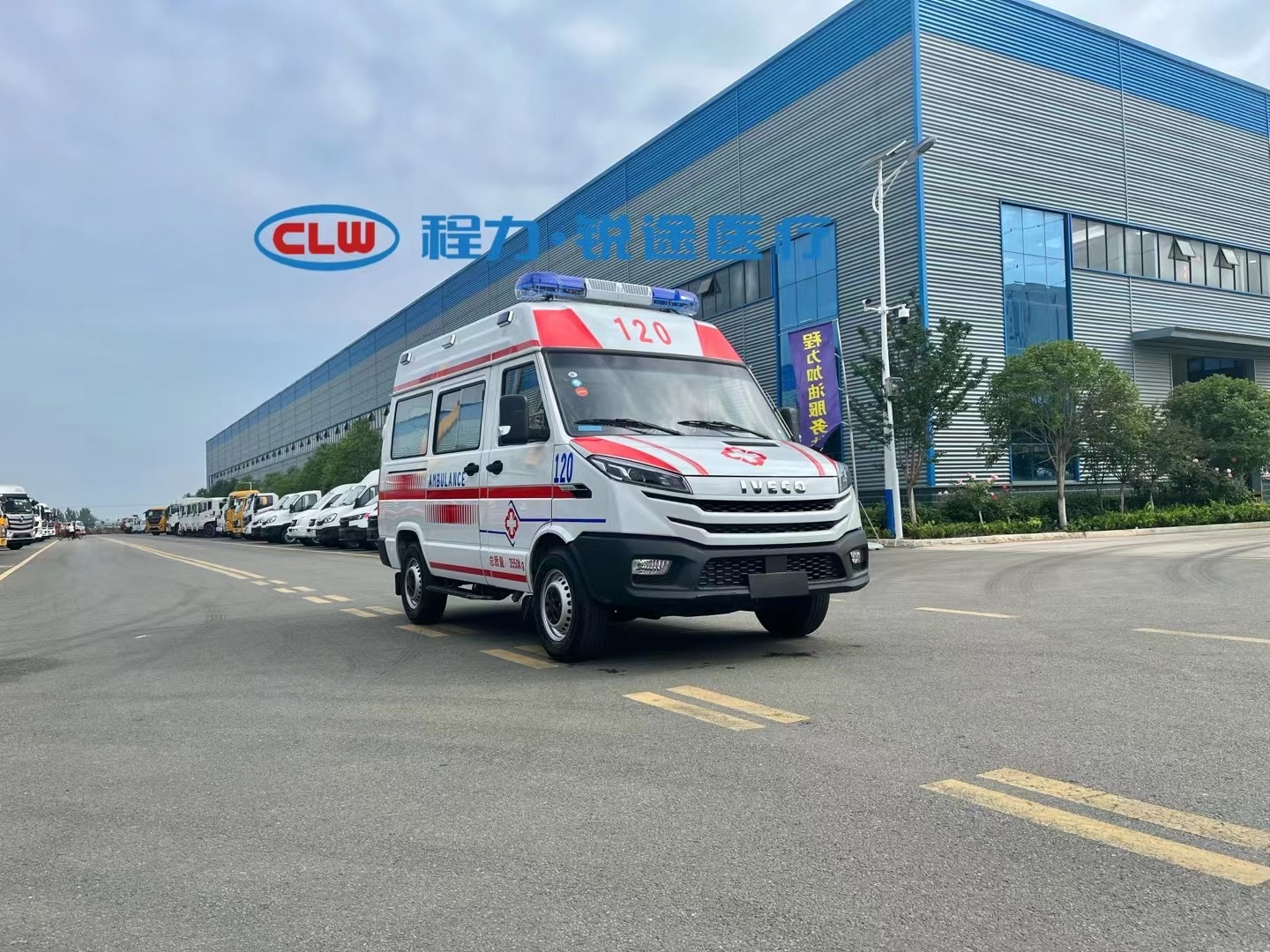



 Ambulance


