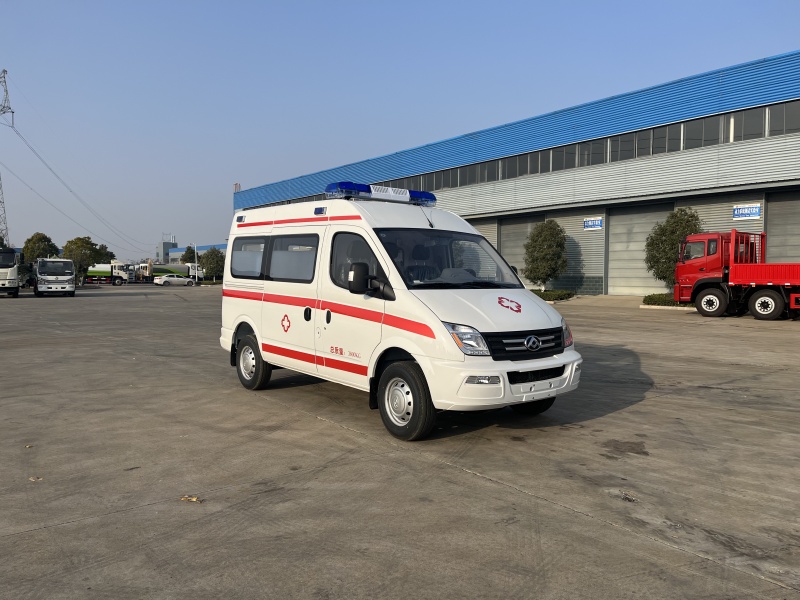
Investing in an ambulance fleet is a major decision for any healthcare organization or government agency. The right choice ensures patient safety, reliable emergency response, and long-term cost efficiency. To help procurement officers and hospital administrators make informed decisions, we’ve outlined the top 10 features every ambulance buyer should consider before making a purchase.
Identify the right category: ICU ambulances for critical care, transfer ambulances for patient relocation, monitoring ambulances for urban response, and off-road units for rural or mountainous regions. Matching the type of ambulance to its intended use is the foundation of a successful fleet.
A strong and durable chassis ensures consistent performance. Trusted brands such as Mercedes-Benz, Toyota Hiace, and Iveco provide proven platforms designed for long-term use under demanding conditions.
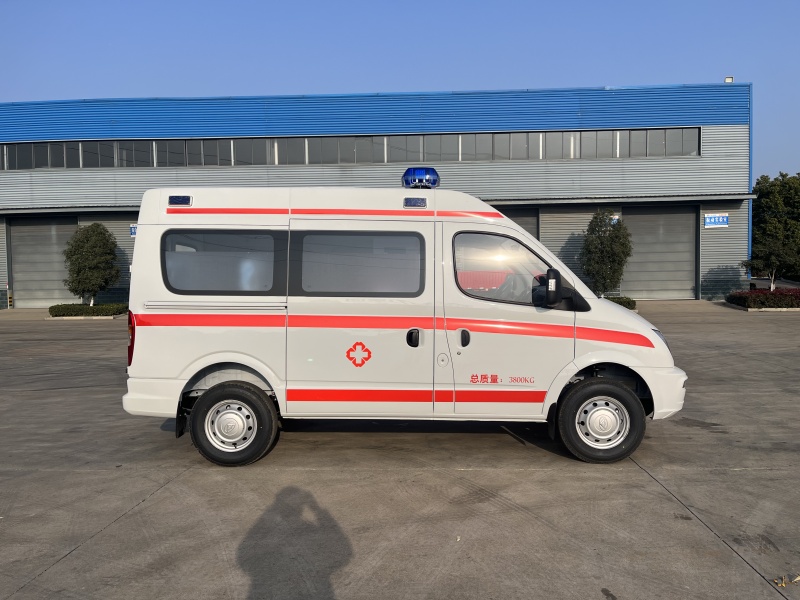
Operating environments matter. A 4x2 ambulance suits urban and highway use, while 4x4 configurations are essential for rural, off-road, or disaster-prone areas.
The interior should be customizable for stretcher placement, medical staff mobility, and equipment storage. A well-planned cabin ensures efficiency and safety during patient care.
Ambulances should be equipped with oxygen systems, ventilators, defibrillators, infusion pumps, and secure storage for medicines. Buyers should confirm whether these items are included or available as optional add-ons.
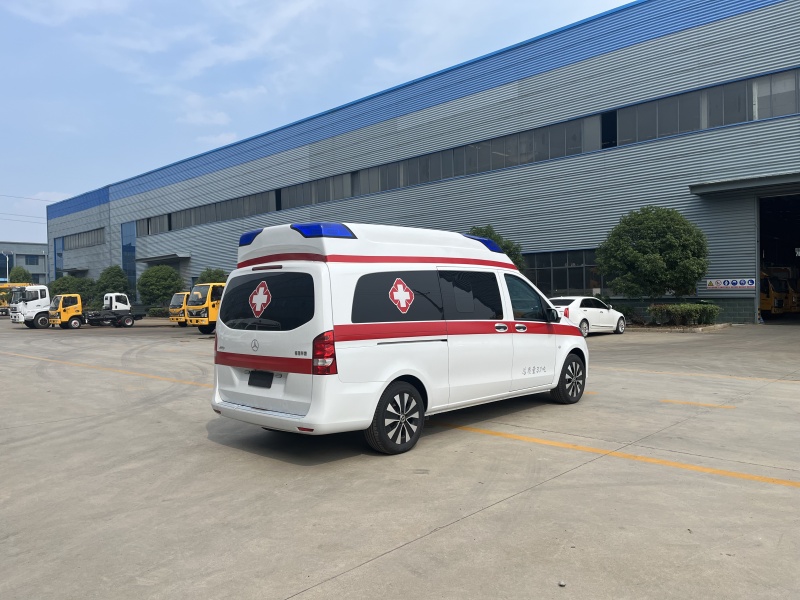
Safety must be a top priority. Look for ABS, electronic stability control, airbags, reinforced stretchers, and secure equipment mounts to protect patients and staff during transport.
Patients and staff benefit from climate control, ergonomic seating, and smooth suspension. Wide access doors and step designs also ensure easy loading and unloading.
Depending on local infrastructure, buyers can choose diesel, gasoline, or electric ambulances. Electric models are increasingly popular for eco-friendly government projects focused on sustainability.
Ambulances must meet international safety, quality, and medical equipment standards. Compliance with ISO, CE, or local government regulations guarantees safe and legal operation.
A reliable supplier should provide spare parts, technical support, and long-term maintenance services. This ensures fleet reliability and reduces downtime over years of operation.

As a leading exporter of specialized emergency vehicles, we offer a full range of ambulances tailored to hospitals, clinics, and government projects. Our vehicles—built on trusted chassis from Mercedes-Benz, Toyota, Iveco, and others—are fully customizable, internationally compliant, and supported with long-term after-sales service.
By partnering with us, buyers gain access to vehicles that combine durability, safety, and advanced medical care capabilities—ensuring that their fleets are always ready to save lives.
Choosing the right ambulance requires more than just selecting a vehicle—it’s about aligning features with patient needs, healthcare infrastructure, and long-term operational goals. By focusing on these top 10 features, hospitals, clinics, and government agencies can make informed decisions, ensuring their ambulance fleets deliver reliable, safe, and effective patient care.



 Ambulance


