(Introduction)
Congratulations on taking the crucial step to enhance your community's emergency medical capabilities! Procuring a used ambulance is a strategic and cost-effective decision for many government agencies, hospitals, and private operators. We understand that navigating the international market can be complex, with concerns about vehicle condition, logistics, and supplier reliability. This comprehensive guide is designed to simplify your journey, providing a clear, five-step roadmap to acquire a high-quality used ambulance. Our aim is to equip you with the knowledge to make a confident purchase, minimize uncertainty, and ensure you secure a vehicle that delivers exceptional value and life-saving service for years to come.
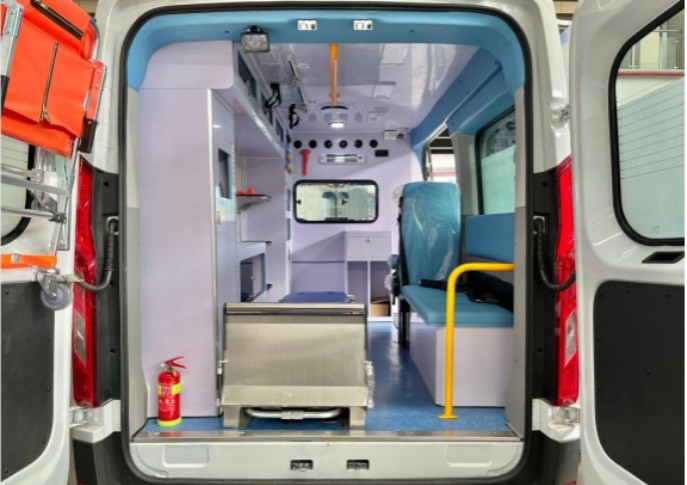
(Step-by-Step Guide)
Step 1: Define Your Operational Requirements
The foundation of a successful purchase is a clear understanding of your specific needs. Begin by defining the ambulance's primary mission. Will it be used for emergency response, patient transfer, or non-emergency transport? This determines the necessary medical configuration (e.g., BLS vs. ALS equipment). Next, critically assess the operating environment. Will it serve dense urban areas or navigate rough, rural terrains? This impacts the required chassis type, drivetrain (4x2 vs. 4x4), and suspension. Then, establish a realistic budget that includes not only the purchase price but also shipping, insurance, import duties, and any potential refurbishment costs. Finally, research the compliance standards and regulations for importing a used vehicle into your country. This initial clarity will serve as your essential filter throughout the procurement process.
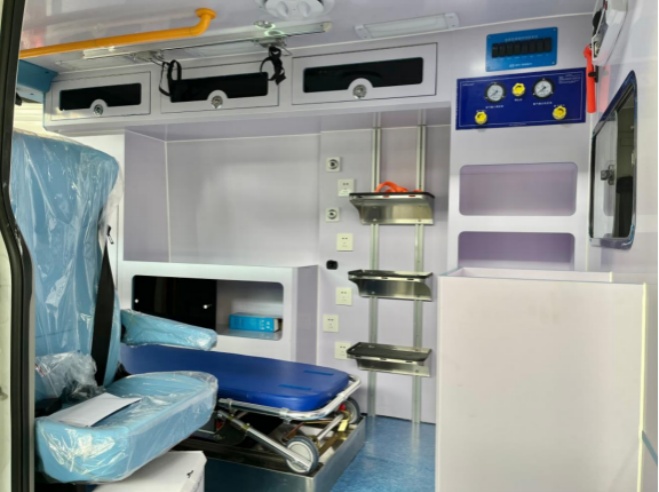
Step 2: Vet Suppliers for Quality and Reliability
Thorough supplier due diligence is the most critical step in mitigating risk. Prioritize exporters with a proven track record of supplying quality used ambulances to your region, such as countries in Africa or Southeast Asia. Scrutinize their business credentials, years of operation, and any available quality certifications. Request detailed case studies and references from previous clients in similar markets—a reputable supplier will gladly provide these. Most importantly, investigate their after-sales support framework. Do they offer a transparent warranty on the vehicle and its medical equipment? What is their process for providing spare parts and technical support remotely? A supplier's long-term commitment to support is a key indicator of their reliability and the vehicle's future performance.
Step 3: Request Detailed Quotations and Compare
Move beyond simple price comparisons by sending a detailed Request for Quotation (RFQ) to your shortlisted suppliers. Provide specifics: preferred chassis model (e.g., Mercedes Sprinter, Ford Transit), target model year, maximum mileage, and a list of must-have medical equipment. Insist that each quote includes a comprehensive breakdown, not just a total price. Demand a detailed inventory of the medical equipment, its age, and condition, and ask for specifics on any refurbishment work done (e.g., new paint, engine servicing, electrical system upgrades). This allows for a true apples-to-apples comparison. A slightly higher quote that includes a longer warranty, recent engine overhaul, and professional decontamination often represents far greater long-term value and lower risk.
Step 4: Conduct a Rigorous Pre-Purchase Inspection
For a used vehicle, a professional inspection is non-negotiable. This is your best tool for verifying condition and avoiding costly mistakes. The optimal approach is to engage a trusted third-party mechanic or arrange for your own technician to inspect the vehicle at the supplier's location. If travel is prohibitive, insist on a comprehensive live video inspection. During this inspection, check the engine, transmission, brakes, and body for corrosion or accident damage. Test all electrical systems, lights, sirens, and medical equipment. Request to see maintenance records and a vehicle history report. Reputable suppliers will be completely transparent and facilitate this process, as it builds trust and ensures customer satisfaction.
Step 5: Finalize Contract and Logistics
Once you are satisfied with the inspection, proceed to finalize the agreement. Review the sales contract meticulously, paying close attention to payment terms (e.g., secure escrow services), warranty details, and a precise list of what is included. Ensure the supplier handles all export documentation professionally. They should offer Door-to-Door delivery service, managing sea freight, insurance, and providing expert assistance with the customs clearance process in your destination country. A reliable partner will guide you through this final phase, ensuring a smooth and hassle-free arrival of your new asset.
(Why Choose Us?)
With over 10 years of expertise, we specialize in providing fully refurbished, reliable used ambulances to clients worldwide. Our vehicles undergo a stringent multi-point inspection and refurbishment process to meet high operational standards. We have a proven history of successful deliveries to government ministries and private entities across Kenya, Nigeria, Pakistan. Our unique value lies in our transparency: every vehicle comes with a detailed condition report, a clear warranty, and our unwavering commitment to after-sales support. We ensure seamless logistics and provide dedicated technical assistance to keep your fleet running.
(Call to Action)
Simplify your procurement journey today. For personalized guidance tailored to your specific budget and needs, schedule a free consultation with our procurement experts. We're here to answer your questions and help you find the perfect vehicle.



 Ambulance


