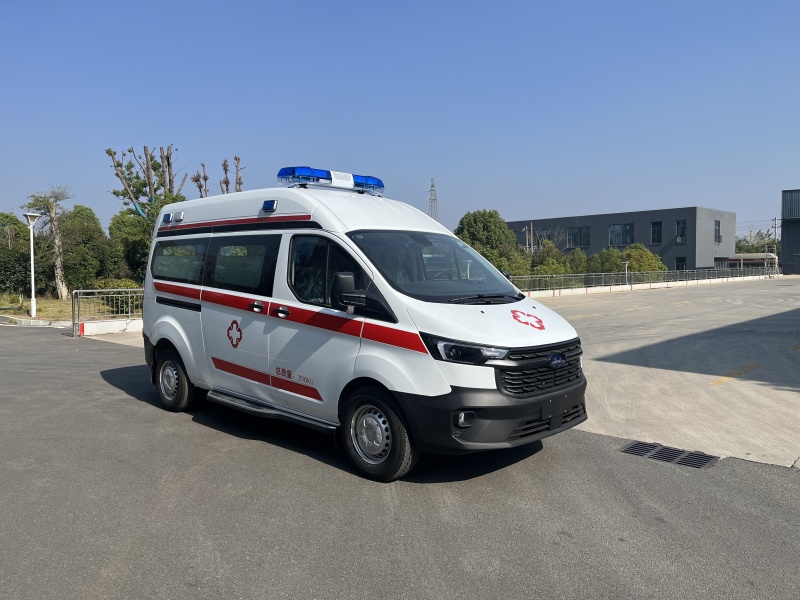
For hospitals and healthcare institutions, importing ambulances is not just about purchasing vehicles—it is about investing in critical assets that save lives. With the growing demand for specialized emergency vehicles across international markets, hospitals must carefully evaluate several factors before making an import decision. Choosing the right ambulance involves balancing compliance, customization, logistics, and long-term service support.
Every country has its own rules regarding medical vehicle specifications. Before importing, hospitals must ensure that the ambulance model complies with local road safety standards, emissions regulations, and healthcare requirements. For example, ICU ambulances may require specific electrical systems to support advanced medical devices, while transfer ambulances may follow different configurations. Working with an experienced ambulance exporter helps hospitals avoid costly compliance mistakes.

Not all hospitals require the same type of ambulance. Selecting the right category ensures efficiency and cost-effectiveness:
ICU Ambulances: Equipped for critical care and advanced life support.
Monitoring Ambulances: Designed for urban emergencies with essential monitoring systems.
Transfer Ambulances: Ideal for routine patient relocation.
Off-Road Ambulances: Essential for rural or mountainous regions.
Understanding your patient population and service environment will determine which ambulance type best suits your operations.
Modern ambulance exporters provide a wide range of customization options. Hospitals should consider:
Interior layout for stretchers, oxygen systems, and medical cabinets.
Choice of fuel type (diesel, gasoline, or electric).
Drive configuration (4x2 for cities, 4x4 for rural and off-road use).
Integration of specialized medical equipment.
By tailoring the vehicle to specific hospital requirements, procurement teams can maximize operational efficiency.

Partnering with a reliable exporter is critical to ensuring quality and after-sales support. Hospitals should review:
Experience and Certifications: ISO, CE, or local medical certifications.
Export History: Track record of supplying ambulances to similar markets.
After-Sales Service: Availability of spare parts, training, and warranty support.
A credible exporter reduces risks and ensures the hospital receives vehicles built to international standards.
Importing ambulances involves shipping, customs clearance, and delivery coordination. Hospitals should plan for:
Total landed costs, including shipping and duties.
Estimated delivery timeframes to align with urgent healthcare needs.
Insurance coverage during international transport.
By addressing these logistics upfront, hospitals can avoid delays and budget overruns.
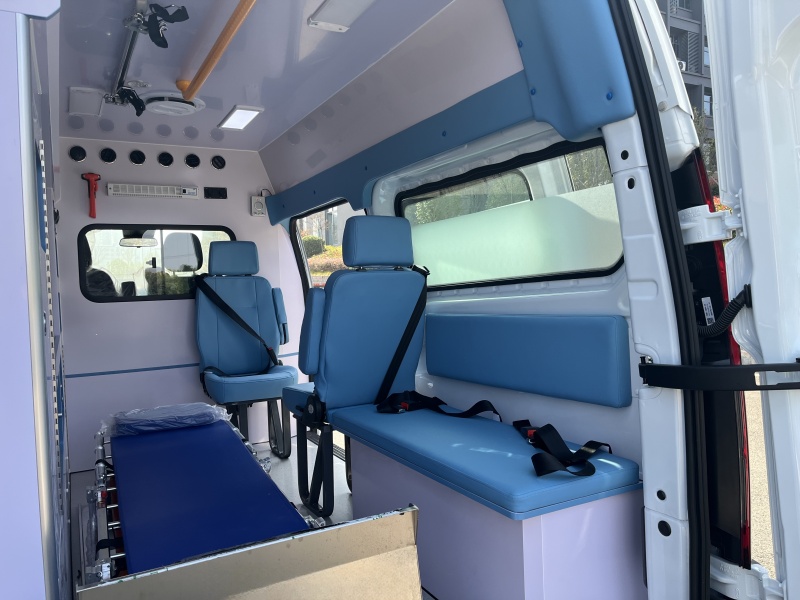
Ambulance fleets require continuous service to remain reliable. Hospitals should consider availability of spare parts, ease of maintenance, and training for drivers and medical staff. Selecting a widely recognized brand like Mercedes, Toyota, or Iveco often ensures stronger global service support.
Importing ambulances is a strategic decision that requires careful planning. Hospitals must look beyond initial cost and prioritize compliance, customization, exporter reliability, and long-term support. By working with a trusted ambulance supplier, healthcare institutions can ensure their investment delivers safe, efficient, and life-saving transportation for patients.
For government projects, private hospitals, or NGOs, a well-planned ambulance import is more than a purchase—it is a commitment to better emergency care.



 Ambulance


