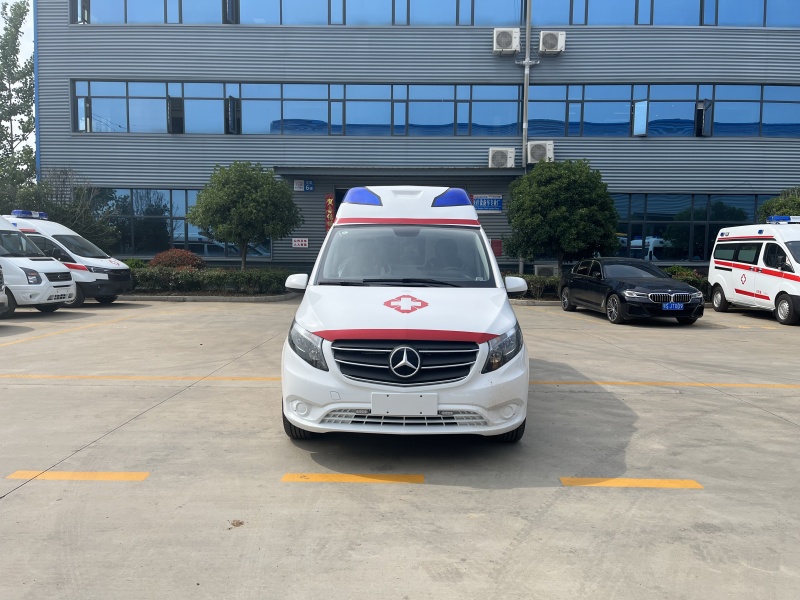
When every second counts, patient survival often depends on receiving advanced medical care even before reaching the hospital. That is why ICU ambulances have become the gold standard for critical care transport worldwide. Unlike basic transport units, these vehicles are fully equipped with intensive care facilities, allowing medical teams to deliver lifesaving treatment during transit. For hospitals, clinics, and government health agencies, investing in ICU ambulances ensures that patients receive uninterrupted care in the most challenging moments.
The defining feature of an ICU ambulance is its ability to replicate the functions of a hospital intensive care ward. These vehicles are fitted with advanced equipment such as ventilators, defibrillators, ECG monitors, infusion pumps, suction units, and oxygen supply systems. The spacious interior layout allows doctors, nurses, and paramedics to work efficiently while monitoring the patient’s vital signs and providing interventions in real time.
For patients suffering from severe trauma, cardiac arrest, respiratory failure, or other life-threatening conditions, this level of care can be the difference between life and death.
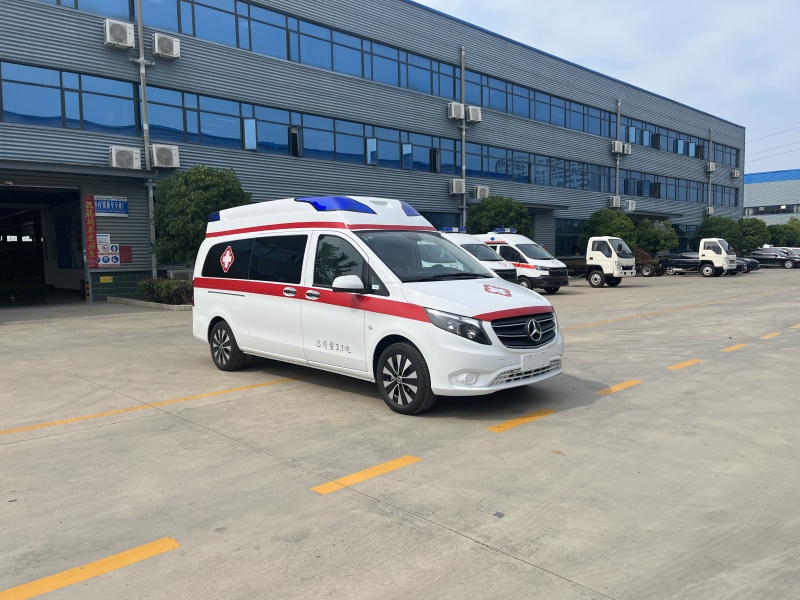
Critical patients require not just speed but stability and safety during transport. ICU ambulances are designed with reinforced suspension systems, specialized stretchers, and secure mounting for medical devices. This ensures that patients remain stable and comfortable while minimizing risks associated with vibration or sudden movement.
Additionally, many ICU ambulances are built with climate control systems to maintain an optimal environment for both patient and equipment, further safeguarding the quality of care delivered in transit.
Whether serving metropolitan hospitals or rural health programs, ICU ambulances adapt to diverse operational needs. In cities, they ensure rapid intervention and safe transfer between facilities. In remote regions, they provide essential access to advanced care that local clinics may not be able to offer.
Our ICU ambulances are available in both 4x2 and 4x4 drive options, ensuring reliable performance on urban roads as well as rough terrain. For governments and NGOs working in disaster relief, conflict zones, or underserved areas, ICU ambulances represent a critical investment in public health infrastructure.
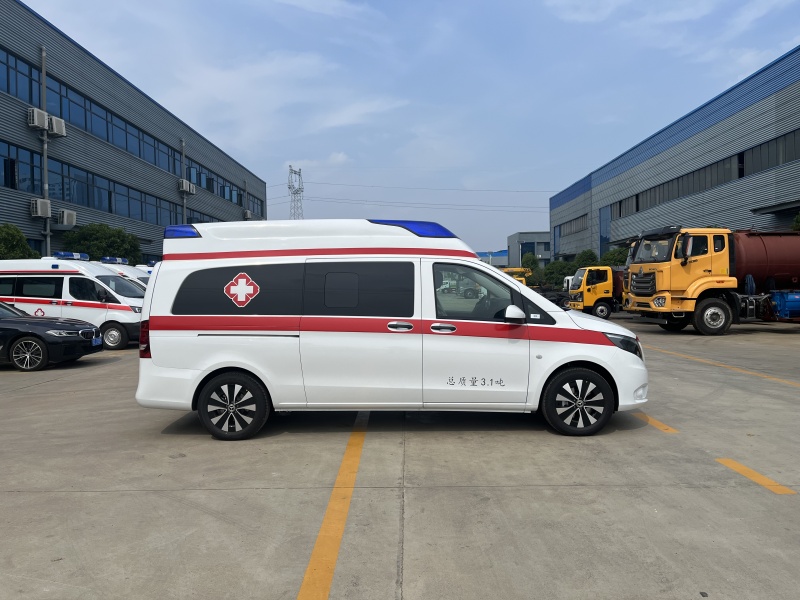
While ICU ambulances require higher initial investment compared to basic life support vehicles, the return in patient outcomes and healthcare credibility is significant. By reducing mortality rates, improving emergency response capacity, and enhancing hospital reputation, ICU ambulances pay long-term dividends for healthcare systems.
Fleet managers and government agencies often balance their fleets with a mix of vehicle types, but ICU ambulances remain indispensable for cases requiring advanced medical intervention.
As a leading exporter of specialized emergency vehicles, we deliver ICU ambulances customized to international standards. Our range includes Mercedes-Benz, Toyota Hiace, and Iveco-based models, each designed to meet different operational demands. We provide complete customization options, from interior layouts to medical equipment integration, ensuring that your ambulance fleet aligns with your mission needs.
With our expertise, hospitals and government buyers gain reliable, high-quality vehicles backed by after-sales support and technical service. Partnering with us means securing the tools necessary to save lives and strengthen healthcare delivery.
ICU ambulances are more than just transport vehicles—they are fully functioning mobile intensive care units designed to protect critically ill patients during their most vulnerable moments. Their advanced equipment, safety features, and adaptability make them the best choice for hospitals, clinics, and health agencies committed to delivering world-class emergency care.
For organizations seeking to improve patient outcomes and strengthen their healthcare systems, investing in ICU ambulances is not just an option—it is a necessity.



 Ambulance


