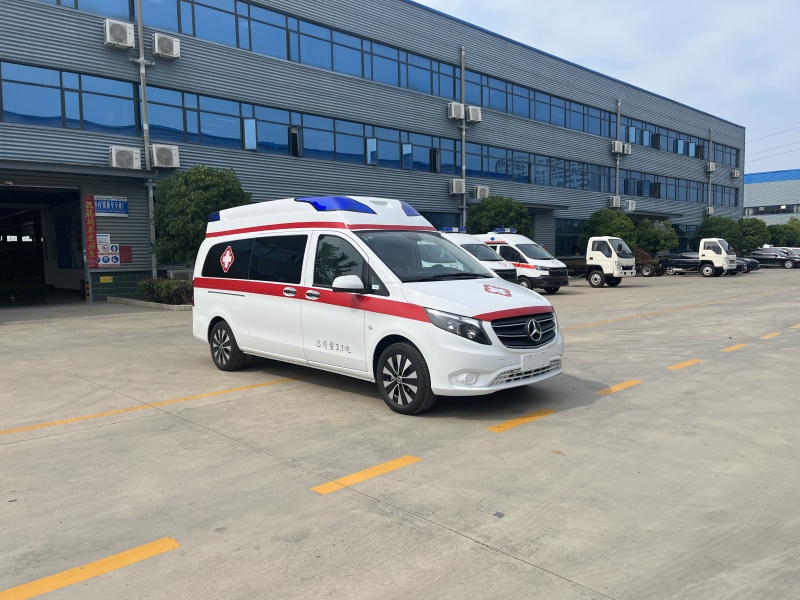
In the fast-changing landscape of healthcare and emergency response, one innovation is steadily gaining momentum: the electric ambulance. Around the world, governments, hospitals, and fleet operators are exploring cleaner, more efficient solutions to modernize their emergency vehicle fleets. The adoption of electric ambulances is not just a technological trend; it represents a decisive shift toward sustainability, reliability, and long-term cost-effectiveness. For organizations tasked with saving lives and ensuring rapid patient transport, electric-powered ambulances are proving to be a forward-looking investment.
One of the most pressing reasons behind the rise of electric ambulances is the global commitment to reduce carbon emissions. Traditional diesel or gasoline ambulances, while powerful, contribute significantly to urban air pollution and greenhouse gas output. In contrast, electric ambulances offer zero tailpipe emissions, making them ideal for cities striving to meet stricter environmental standards. For government health departments and hospitals, transitioning to electric fleets is an opportunity to demonstrate leadership in public health, aligning emergency services with broader climate and sustainability goals.
Beyond reducing emissions, electric ambulances also minimize noise pollution. Quiet operation is a critical advantage in densely populated areas where constant sirens already create significant stress. By deploying quieter, cleaner vehicles, cities can improve both patient comfort and community well-being.
While the initial purchase price of an electric ambulance may be higher than that of a conventional diesel unit, the long-term savings are considerable. Electric powertrains have fewer moving parts, meaning lower maintenance requirements and fewer breakdowns. Hospitals and ambulance operators can expect reduced costs for servicing, oil changes, and engine repairs. Additionally, with fluctuating fuel prices, electricity offers a more stable and predictable energy source.
Fleet managers overseeing large-scale operations—such as government agencies or national health services—are especially aware of the long-term cost advantages. The total cost of ownership (TCO) for electric ambulances is rapidly decreasing, making them an economically viable solution even in regions where fuel is relatively affordable.
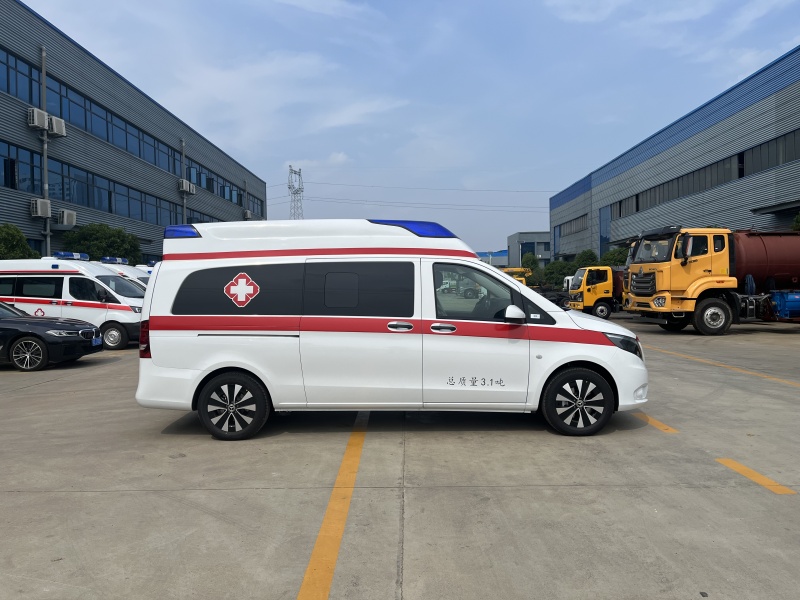
There is often skepticism about whether electric vehicles can meet the demanding requirements of emergency response. In practice, electric ambulances have proven to be highly reliable. Modern battery technology provides sufficient range for most urban and suburban emergency routes, with fast-charging options available to ensure vehicles remain operational throughout the day.
Furthermore, electric drivetrains deliver instant torque and smooth acceleration—critical in time-sensitive situations where every second counts. Many electric ambulance models also feature regenerative braking systems, extending battery life and reducing wear on mechanical components. Combined with advanced telematics and monitoring systems, these vehicles give operators a higher degree of control and predictability than traditional models.
Today’s ambulances are more than just transport vehicles—they are mobile treatment centers. From ventilators to defibrillators, modern ambulances carry a wide range of lifesaving equipment that demands a steady power supply. Electric ambulances are uniquely equipped to support this requirement. With high-capacity onboard batteries, they can power medical devices without relying on noisy generators or idling engines.
For intensive care ambulances or long-distance patient transfers, this reliability is critical. Governments and hospital administrators recognize that ensuring uninterrupted medical care during transport is a key factor in patient outcomes. By investing in electric ambulances, they provide healthcare professionals with the tools they need to deliver consistent, high-quality treatment in motion.
Across Europe, North America, and Asia, pilot projects and large-scale fleet conversions are already underway. Countries such as the United Kingdom, the Netherlands, and China have taken the lead in deploying electric ambulances as part of broader green mobility strategies. Even in developing markets, international aid organizations and health ministries are exploring these vehicles as a sustainable way to modernize outdated fleets.
For B2B buyers—whether they represent hospitals, government health agencies, or private ambulance services—this global momentum signals a crucial market transition. Early adopters not only benefit from enhanced operational efficiency but also position themselves as pioneers in sustainable healthcare.

As a trusted exporter of high-quality medical and emergency vehicles, our company offers a full range of electric ambulances designed for diverse environments and operational needs. Whether your organization requires compact urban response units, advanced ICU ambulances, or rugged off-road configurations, we provide fully customizable solutions.
Our electric ambulances are available in multiple chassis brands—including Mercedes-Benz, Iveco, and Toyota Hiace—ensuring compatibility with your local service requirements. We also offer both 4x2 and 4x4 drive options, enabling deployment in cities, rural communities, and challenging terrains alike. Each vehicle is engineered to international standards, fitted with advanced medical equipment, and supported by reliable after-sales service.
By choosing us as your supplier, you are not only upgrading your fleet but also investing in the future of healthcare. Our commitment to quality, innovation, and sustainability ensures that your organization can respond to emergencies efficiently, safely, and responsibly.
The transition to electric ambulances is no longer a distant vision—it is happening now. With clear environmental, economic, and operational benefits, these vehicles are reshaping how emergency services operate worldwide. For decision-makers in hospitals, government agencies, and healthcare organizations, the choice is clear: adopting electric ambulances is a step toward a cleaner, more efficient, and more responsive healthcare system.
Partner with us today to equip your team with cutting-edge electric ambulances that meet the demands of modern emergency care and set new standards for the future.



 Ambulance


