A nation's healthcare system is only as strong as its weakest link. For too many, that weak link is the critical window between an emergency occurring and a patient arriving at a hospital. Investing in a modern, advanced ambulance fleet is not merely a logistical upgrade for health ministries—it is a strategic investment in public safety, economic stability, and national resilience that delivers a powerful return on investment (ROI) for every citizen.
Here is a compelling case for why governments must prioritize advanced ambulance fleets as essential public infrastructure.
The primary and most urgent reason for investment is the direct impact on human lives. Modern ambulances are mobile intensive care units (ICUs), and their technological capabilities directly correlate with survival rates.
The "Golden Hour": For trauma, strokes, and heart attacks, minutes matter. Advanced ambulances allow for critical interventions to begin immediately at the scene and during transport, drastically improving chances of survival and reducing long-term disability.
Advanced Onboard Technology: Equipment like automated CPR devices, portable ventilators, point-of-care blood testing, and telemedicine capabilities enable paramedics to provide hospital-level care en route.
Specialized Capabilities: Modern fleets can include units for neonatal care, bariatric patients, and infectious disease control (with negative pressure isolation), ensuring all citizens receive appropriate care.
A smarter fleet creates a more efficient entire healthcare system.
Right Patient, Right Facility, First Time: Ambulances equipped with 12-lead ECGs can transmit data to a cardiologist, confirming a heart attack and routing the patient directly to a PCI-capable hospital, bypassing closer facilities that lack the resources. This saves time and streamflows at local EDs.
Treat and Refer: With advanced diagnostics and telemedicine support, paramedics can sometimes treat minor issues on scene or refer patients to a more appropriate non-emergency service, reducing unnecessary and costly ED visits.
While the upfront investment is significant, it pales in comparison to the long-term economic benefits.
Reduced Healthcare Costs: By preventing complications through better pre-hospital care, advanced ambulances reduce the need for longer, more expensive hospital stays and rehabilitation.
Productivity Preservation: Saving lives and reducing disability keeps the workforce healthy and productive. A life saved is a taxpayer, worker, and caregiver preserved.
Lower Fleet Maintenance Costs: Modern vehicles, particularly those with electric or hybrid systems, offer better fuel efficiency and lower long-term maintenance costs than aging, outdated fleets.
A modern, scalable ambulance fleet is a critical asset for national security and disaster resilience.
Mass Casualty Incidents (MCIs): In events like natural disasters, terrorist attacks, or large-scale accidents, a robust fleet is essential for triage, transport, and managing a surge in patients. Older, unreliable vehicles can fail when they are needed most.
Pandemic Response: The COVID-19 pandemic highlighted the need for ambulances with advanced air filtration (HEPA filters) and negative pressure systems to safely transport highly infectious patients without risking further community spread.
A government has a duty to protect all its citizens, regardless of their geographic or economic status.
Serving Rural and Remote Areas: Advanced ambulances with longer range, 4x4 capability, and satellite communication can bridge the gap for isolated communities, ensuring they have access to critical emergency care that is often hours away.
Standardized Care: A national investment ensures that the standard of emergency care is not dependent on the wealth of a local municipality. Every citizen, in every region, deserves the same chance at survival.
Providing paramedics with the right tools is a matter of morale, safety, and retention.
Safety: Newer ambulances come with advanced driver assistance systems (ADAS) like collision avoidance and electronic stability control, protecting crews who face daily risks on the road.
Job Effectiveness: Modern equipment allows highly trained professionals to perform to the top of their license, improving job satisfaction and reducing burnout.
Recruitment: A modern, tech-forward fleet makes the EMS profession more attractive, helping to recruit and retain the next generation of first responders.
A strategic investment focuses on more than just the vehicles:
Vehicle Modernization: Replacing aging units with Type II/III ambulances featuring advanced safety, communication, and medical technology.
Telemedicine Integration: Equipping fleets with technology for real-time data transmission to hospitals.
Specialized Units: Investing in niche vehicles for neonatal, mental health, and bariatric care.
Green Technology: Pioneering the shift to electric ambulances to reduce emissions and operating costs.
Training and Development: Investing in continuous training for personnel to leverage the new technology effectively.
Investing in an advanced ambulance fleet is a clear demonstration of a government’s commitment to its people's health and safety. It is a proactive measure that strengthens the entire healthcare ecosystem, saves lives, saves money, and builds a more resilient nation. The question is not whether a country can afford to make this investment, but whether it can afford not to.
Governments must view ambulances not as a transportation expense, but as the frontline of the healthcare system—a mobile emergency department that deserves strategic investment and modernization. The lives saved and the communities strengthened will be the ultimate measure of its value.
#Ambulance price#Mobile clinic vehicle#Ambulance procurement#First aid vehicle
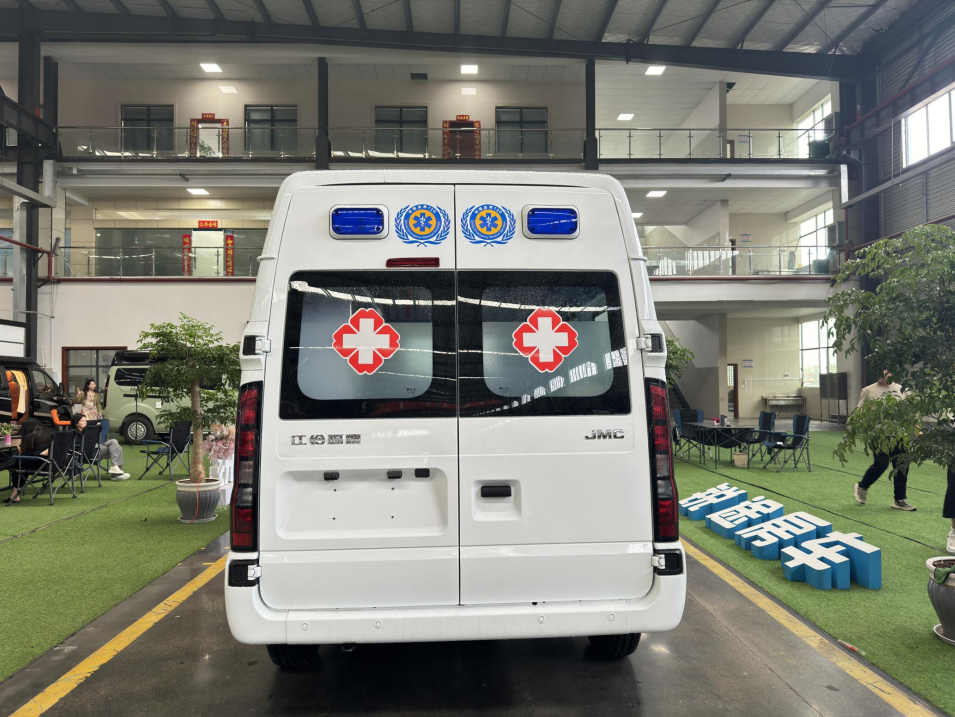



 Ambulance


