The global demand for high-quality emergency medical services (EMS) is rising rapidly, and with it, the need for reliable, advanced ambulances. While many countries have domestic vehicle manufacturing, there is a consistently high—and growing—demand for imported ambulances. From bustling urban centers in Europe to remote rural areas in Africa, governments, private hospitals, and aid organizations are increasingly looking beyond their borders to source these critical vehicles.
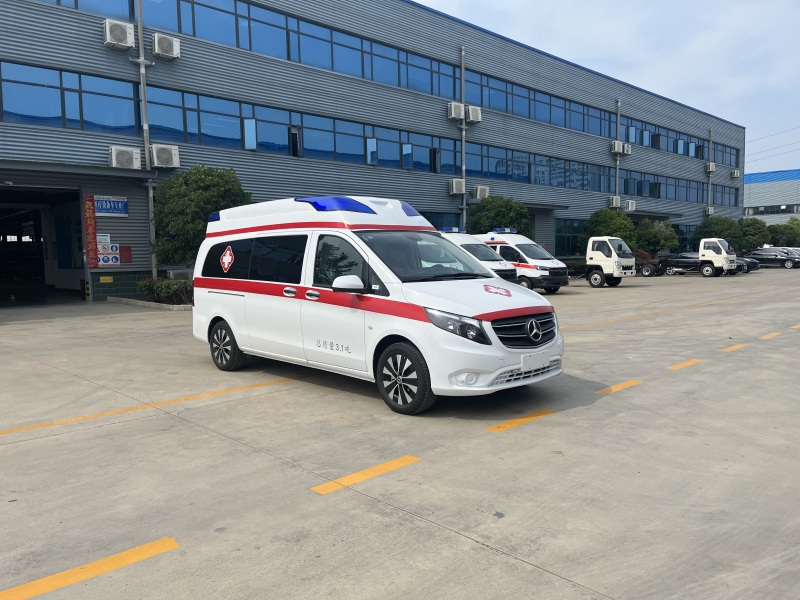
But what is driving this international demand? The reasons are multifaceted, rooted in quality, specialization, and economic pragmatism.
Many countries renowned for ambulance exports—such as those in Germany, the United States, Turkey, and China—have decades of specialized experience and invest heavily in research and development.
Durability and Reliability: Imported ambulances often come from manufacturers with a proven track record of building vehicles that withstand harsh conditions and high mileage. This reliability is non-negotiable in emergency medicine.
Advanced Technology: These vehicles frequently incorporate the latest advancements in safety (like ESP and ABS), fuel efficiency, and emissions control (meeting strict Euro 6 or similar standards). They also feature integrated medical technology, such as advanced electrical systems for powering lifesaving equipment and superior climate control.
No two EMS operations have identical needs. A service in a dense city has different requirements than one in a mountainous region or a desert. Leading international manufacturers excel at building highly customized vehicles.
Terrain-Specific Designs: Importers can source 4x4 ambulances for rough terrain, compact van-types for narrow city streets, or large mobile ICU units for long-distance critical care transfers.
Medical Configuration: Buyers can specify the exact interior layout, storage solutions for specific equipment, lighting, and power systems to match their medical protocols perfectly. This level of bespoke customization is often not available or is cost-prohibitive from local manufacturers.
Contrary to the assumption that importing is always more expensive, it can often provide better value for money.
Economies of Scale: Large-scale international manufacturers produce ambulances in high volumes, which can lower the unit cost without sacrificing quality.
Long-Term Value: While the initial purchase price might be competitive, the real value lies in the vehicle's longevity, lower maintenance costs, and better fuel efficiency. Investing in a high-quality imported ambulance can lead to a lower total cost of ownership over its lifespan.
Reputable international manufacturers build ambulances to comply with a wide array of global standards, such as those from the European Union (CE Certification) or the U.S. (FDA for medical devices, DOT for vehicles). This provides buyers with confidence that the vehicle meets high safety, quality, and environmental benchmarks. For countries developing their own EMS systems, adopting these proven international standards is a fast track to improving care quality.
Many countries simply lack a domestic automotive industry capable of manufacturing specialized vehicles like ambulances. For others, local production cannot keep pace with the growing demand from new hospitals, clinics, and government initiatives to improve emergency response times. Importing fills this critical supply gap efficiently.
Brands matter. A well-known ambulance manufacturer builds a reputation over decades for quality and reliability. For a hospital or government agency, procuring vehicles from a trusted international brand minimizes risk and ensures stakeholders that they are investing in the best possible equipment for their medical teams and patients.
Global aid organizations like the World Health Organization (WHO), the Red Cross, and UNICEF require large fleets of standardized, rugged, and reliable ambulances that can be deployed anywhere in the world at a moment's notice. They source from international suppliers that can provide quickly, consistently, and at scale to support disaster response and humanitarian crises.
While the benefits are clear, importing an ambulance requires careful planning:
Homologation: Ensure the vehicle complies with your country's local vehicle registration and safety regulations.
After-Sales Support: Choose a supplier that offers robust after-sales service, readily available spare parts, and technical support.
Logistics: Partner with an exporter experienced in handling international shipping, customs clearance, and documentation.
The high demand for imported ambulances is a testament to a global commitment to improving emergency medical care. It is driven by a practical pursuit of quality, specialization, and value that often transcends national boundaries. As the world's population grows and ages, and as expectations for healthcare continue to rise, this demand for best-in-class emergency vehicles from the global market is likely to continue its upward trajectory.
Investing in an imported ambulance is not just about purchasing a vehicle; it's about importing capability, expertise, and, ultimately, the capacity to save more lives.



 Ambulance


