In today’s healthcare landscape, speed and precision are crucial during emergencies. Advanced monitoring systems in modern ambulances play a critical role in ensuring patient safety, enabling timely interventions, and improving overall outcomes. Hospitals, government agencies, and private clinics increasingly recognize that well-equipped ambulances are essential not only for transport but also as mobile extensions of critical care.
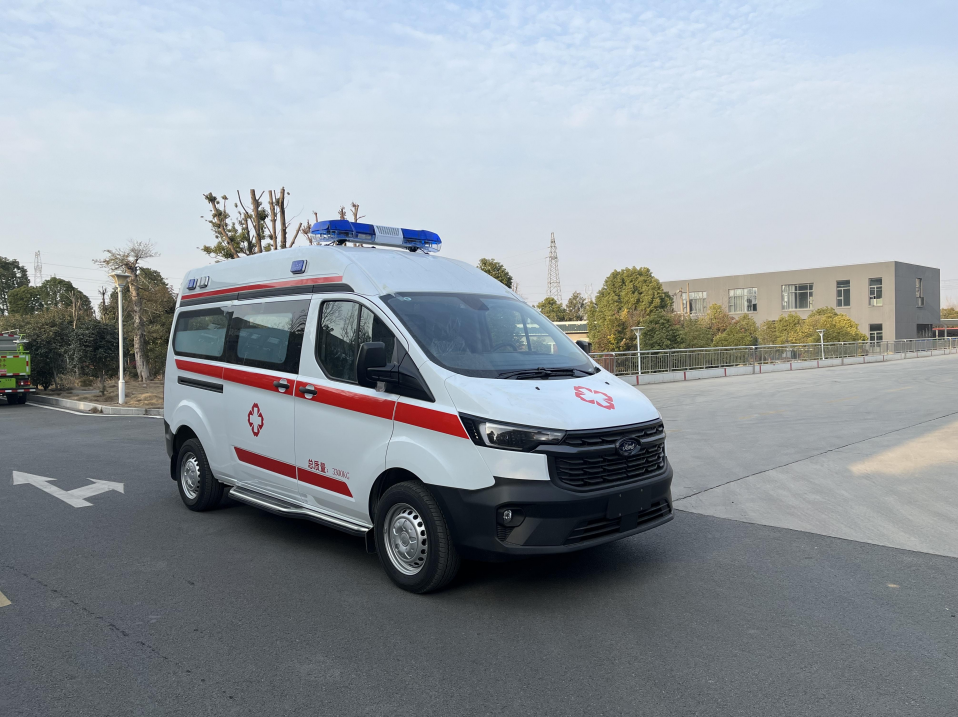
Advanced monitoring systems allow paramedics and medical staff to track vital signs continuously:
Cardiac monitors and ECG systems detect arrhythmias and cardiac events early.
Pulse oximeters and blood pressure monitors provide constant patient status updates.
Integrated data systems relay real-time information to hospitals for pre-arrival preparation.
This ensures that critical interventions can begin immediately, even before reaching the hospital.
With modern monitoring equipment, ambulances can:
Detect deteriorating patient conditions promptly.
Administer life-saving interventions en route, including defibrillation, oxygen therapy, or medication infusion.
Facilitate communication with emergency departments to prioritize patient care upon arrival.
These capabilities increase survival rates and reduce the risk of complications during transit.
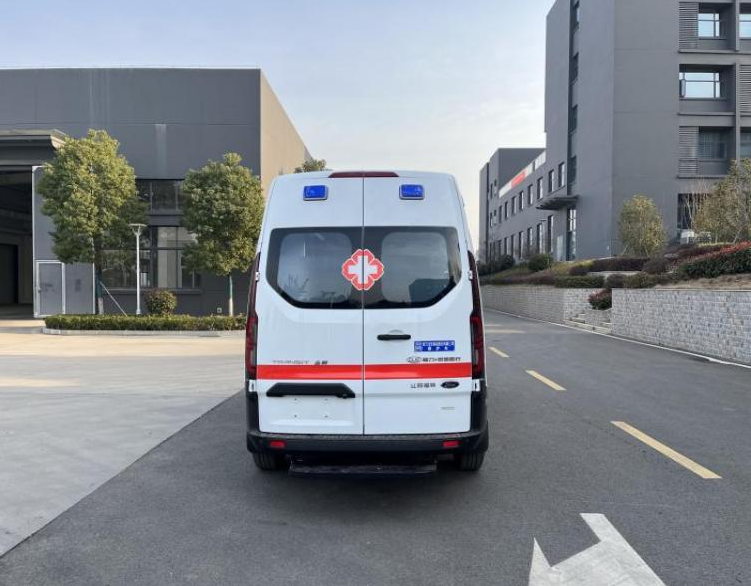
ICU and advanced life support ambulances rely on robust monitoring systems to provide mobile critical care:
Continuous monitoring of respiratory and cardiovascular parameters.
Alarm systems alert staff to sudden changes in patient status.
Integration with ventilators and infusion pumps for seamless life support management.
Mobile ICUs bring hospital-level care directly to the patient, bridging gaps in critical emergency response.
Modern monitoring systems enhance clinical decision-making:
Real-time data recording enables paramedics to adjust treatment during transport.
Data transmitted to hospitals ensures immediate preparation for incoming patients.
Post-incident analytics support quality improvement and staff training programs.
This creates a more efficient and evidence-based approach to emergency medical services.
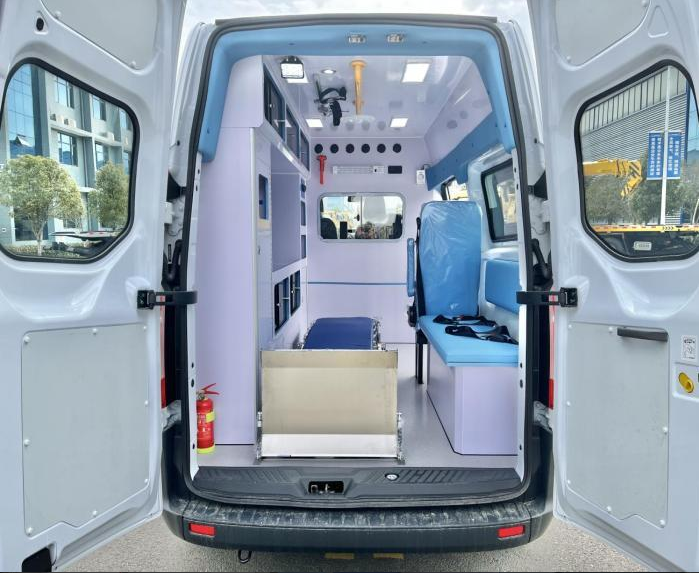
Ambulance exporters offer tailored monitoring solutions:
ICU, transfer, or monitoring ambulances can be equipped with systems matching clinical needs.
Brands like Mercedes-Benz, Toyota Hiace, and Iveco provide certified platforms with integrated medical technology.
After-sales support, training, and spare parts availability ensure operational readiness and reliability.
Customization ensures that ambulances meet both regional regulatory requirements and specific patient care goals.
Equipping ambulances with advanced monitoring systems reassures patients and stakeholders that:
Medical care continues without interruption during transport.
Paramedics have the tools to manage emergencies effectively.
Healthcare facilities receive accurate, real-time information for swift interventions.
This fosters trust in both ambulance services and the broader healthcare system.
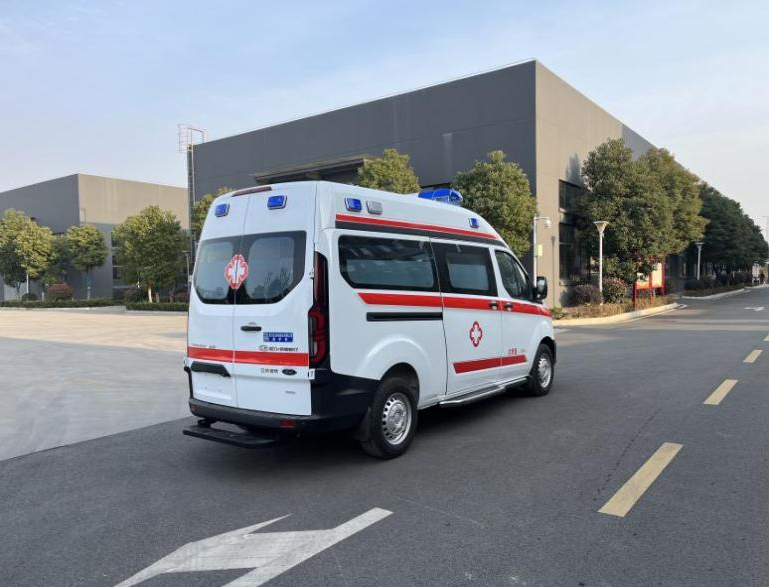
Modern ambulances equipped with advanced monitoring systems are essential for delivering high-quality emergency care. By enabling real-time patient monitoring, improving response accuracy, and supporting mobile ICU capabilities, these systems bridge the gap between the field and hospital care.
Hospitals, clinics, and government agencies that invest in well-equipped, technologically advanced ambulances enhance patient outcomes, optimize emergency response, and build trust in their healthcare services.



 Ambulance


