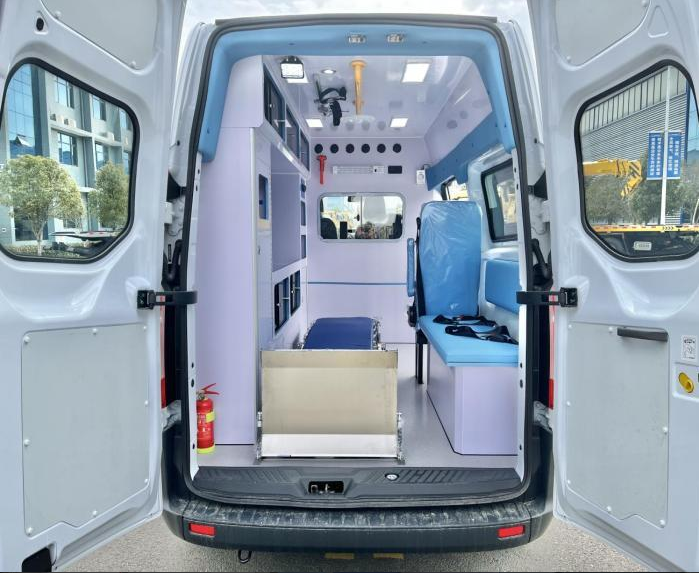
In modern healthcare, timely and safe patient transfer is critical for maintaining quality care. Transfer ambulances—also known as patient transport ambulances—play a central role in moving patients between hospitals, clinics, and specialized care facilities. For hospitals, government agencies, and private healthcare providers, investing in transfer ambulances ensures that patients reach the right level of care promptly while minimizing risks during transit.
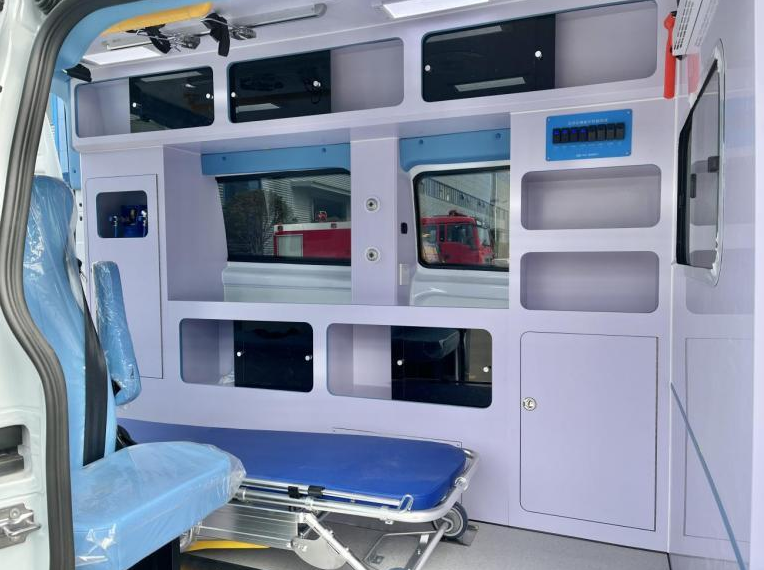
Transfer ambulances are specifically designed for non-emergency and semi-critical patient relocations. They provide secure stretcher systems, patient restraints, and organized medical equipment storage to ensure smooth and safe transport. Unlike standard ambulances, these vehicles focus on patient stability and comfort, making them ideal for transfers of recovering patients, inter-facility relocations, or scheduled hospital discharges that still require monitoring.
Healthcare networks often rely on patient transfers to optimize hospital capacity, allocate specialized resources, and provide timely treatment. Transfer ambulances are essential in these processes, allowing hospitals to move patients efficiently without compromising care quality.
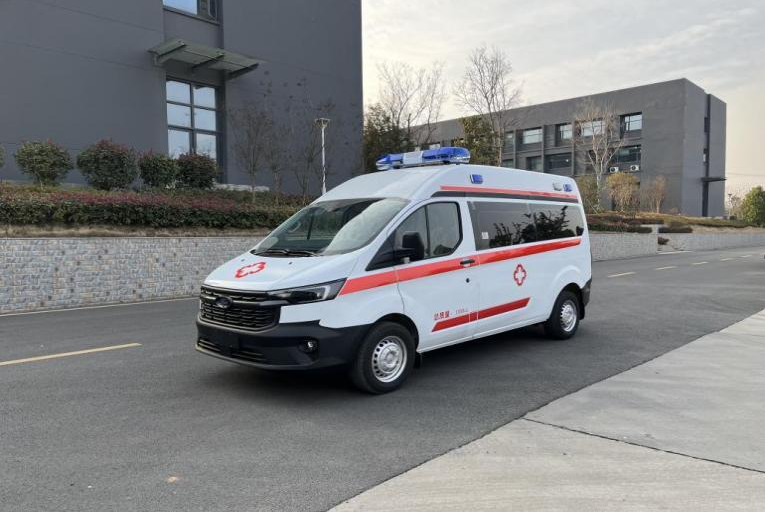
For urban healthcare systems, these vehicles are compact and maneuverable, enabling rapid transit through congested city streets. In regional or rural areas, transfer ambulances can be equipped with 4x4 drivetrains to navigate longer distances or challenging road conditions safely.
While many transfer ambulances are used for non-critical transport, modern models can also be equipped with basic monitoring systems. These include heart rate monitors, oxygen supply, and infusion pumps, allowing healthcare professionals to maintain oversight during the journey. This combination of mobility and monitoring capability ensures that patients remain stable, even during transfers between facilities or to specialized care units.
Transfer ambulances provide hospitals and healthcare agencies with a cost-effective solution for patient mobility. They are generally more economical to operate than fully equipped ICU ambulances, yet they still meet high standards of safety and care. By investing in a fleet of transfer ambulances, healthcare providers can optimize their emergency and intensive care resources while maintaining patient-centered transport for non-critical cases.

Our company offers a range of transfer ambulances that can be tailored to meet the specific needs of healthcare organizations. Built on reliable chassis from brands such as Mercedes-Benz, Toyota Hiace, and Iveco, these vehicles can include features such as climate control, modular interiors, and optional monitoring equipment.
Each ambulance is designed to meet international safety standards and can be customized for urban or rural deployment. Our after-sales service ensures long-term reliability and operational efficiency, giving hospitals and government agencies confidence in their patient transport solutions.
As a leading exporter of medical vehicles, we provide high-quality transfer ambulances designed for both efficiency and safety. Our expertise ensures that your fleet meets the unique demands of patient relocation, whether for urban hospitals, regional clinics, or government healthcare networks.
By partnering with us, healthcare organizations gain vehicles that are reliable, safe, and ready to support the full range of patient transfer operations—ensuring continuity of care, patient comfort, and operational efficiency.
Transfer ambulances remain a vital component of modern healthcare, enabling safe, efficient, and monitored patient relocations. Hospitals, clinics, and government agencies that invest in these vehicles enhance their capacity to provide timely care, optimize resources, and maintain high standards of patient safety.
With the right transfer ambulance fleet, healthcare providers can ensure that patients reach the care they need—safely, comfortably, and without delay.



 Ambulance


